
A patio is more than just a slab of stone or concrete; it is an extension of your home, a versatile outdoor room for relaxation, entertainment, and enjoying nature. A well-designed patio can significantly enhance your property's value and your quality of life. From a cozy nook for morning coffee to a sprawling space for large gatherings, the possibilities are endless. This comprehensive guide will walk you through the essential steps of creating your perfect patio, covering material selection, construction methods, design inspiration, and long term maintenance.
Materials and Alternatives
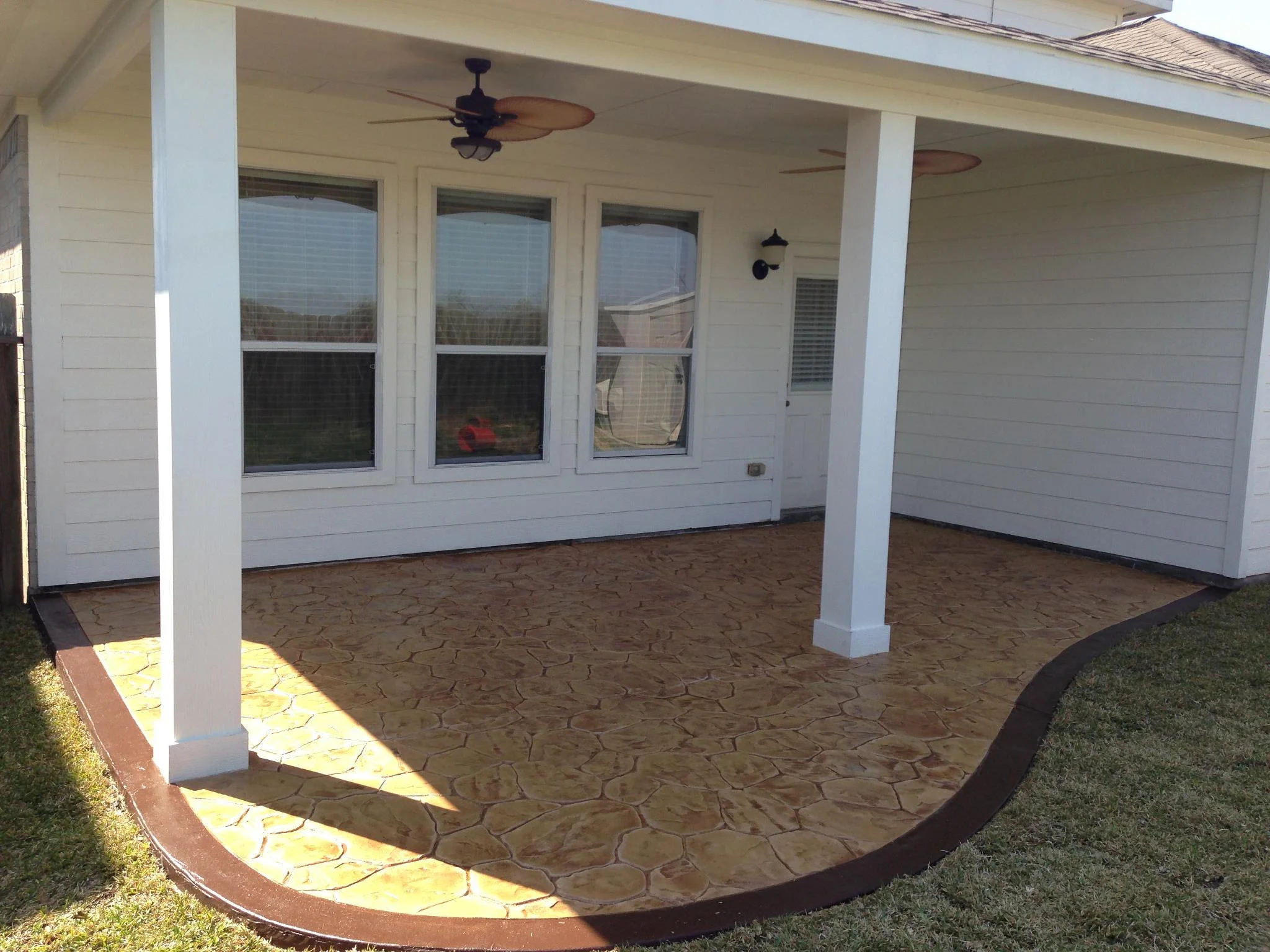
Choosing the right material is a pivotal first step. Each option offers a unique combination of aesthetics, durability, and cost. Your decision will set the tone for your entire outdoor space.
Pavers
Pavers are individual blocks made from concrete, brick, or natural stone. They are the most versatile material for patio design, offering a wide range of colors, shapes, and patterns.
- Visual Appeal: Pavers provide a highly customizable and sophisticated look. You can create intricate herringbone, basket weave, or circular patterns. The variety of colors allows you to match or contrast with your home's exterior.
- Durability: Their interlocking system makes them highly durable and flexible. They can withstand freeze and thaw cycles without cracking, and if a single paver is damaged, it can be easily replaced.
- Cost: Pavers have a higher initial material and labor cost compared to concrete or gravel. However, their longevity and ease of repair can make them a cost effective long term investment.
- Comparison: Compared to concrete, pavers are more expensive to install but offer greater design flexibility and are less prone to cracking. Concrete is a more affordable and straightforward option. Compared to flagstone, pavers are more uniform and easier to install, while flagstone offers a more organic, natural look but can be more challenging to lay.
Poured Concrete
Poured concrete is a classic and practical type of concretefor patios. It provides a simple, clean, and durable surface.
- Visual Appeal: While often seen as a basic option, concrete can be enhanced with stamped patterns, decorative scoring, or colored finishes to mimic the look of stone or tile. A simple broom finish provides a clean, textured surface.
- Durability: Concrete is incredibly strong and can handle heavy loads. It is a solid, stable surface that is easy to maintain. However, it can be susceptible to cracking from ground movement or improper installation.
- Cost: Concrete is generally the most affordable hardscape material, making it a popular choice for homeowners on a budget.
- Comparison: Compared to pavers, concrete is less expensive and faster to install. However, a cracked concrete slab is difficult to repair without a noticeable patch. Compared to brick, concrete is more durable and less susceptible to moss or weed growth in its joints. Brick offers a more traditional and warm aesthetic.
Flagstone
Flagstone is a type of natural stone that is cut into flat, irregular pieces.1 It creates a beautiful, rustic, and organic patio.
- Visual Appeal: Flagstone has an earthy, natural look with unique shapes and colors that vary from gray to red and blue. It is an excellent choice for a garden or a setting that emphasizes natural elements.
- Durability: Flagstone is very durable and holds up well to heavy foot traffic. Its irregular shape makes it less prone to cracking, as it can shift slightly with the ground.
- Cost: The cost of flagstone varies widely depending on the type of stone and its origin.2 It can be more expensive than concrete or even some pavers due to its weight and the labor required for installation.
- Comparison: Compared to concrete, flagstone is much more expensive but offers a unique, one of a kind aesthetic that cannot be replicated. Unlike pavers, flagstone’s irregular shapes can make installation more complex, requiring careful fitting of each piece.
Brick
Brick patios offer a timeless, traditional, and warm aesthetic. They are often used to complement homes with a classic or historic architectural style.
- Visual Appeal: The deep reds and browns of brick create a cozy and inviting atmosphere. They can be laid in various patterns, such as herringbone or basket weave, to add visual interest.
- Durability: Bricks are very durable and can last for decades. They are resistant to fading and are a stable surface for furniture. Like pavers, they are flexible and can withstand some ground movement.
- Cost: Brick is generally more expensive than concrete but less expensive than high end pavers or flagstone. The cost depends on the type of brick and the complexity of the pattern.
- Comparison: Compared to concrete, brick is a more decorative and durable option. Its joints, however, can be prone to weed growth if not properly sealed. Compared to flagstone, brick provides a more uniform and structured look, while flagstone offers a more natural feel.
Construction Methods
A patio’s durability and stability depend on a well prepared foundation. The construction process is meticulous and requires attention to detail at every step.
1. Site Preparation and Excavation
The first step is to clear the area. Remove any grass, topsoil, or debris. Mark out the patio’s boundaries using stakes and string. Then, excavate the area to the required depth, which is typically 8 to 12 inches to accommodate the base layers.3 The soil should be graded with a slight slope of at least 2% away from the house to ensure proper water drainage.
2. Subgrade and Base Layer Installation
The subgrade is the natural soil after excavation. It must be compacted thoroughly with a plate compactor. A layer of geotextile fabric can be laid on the subgrade to prevent the base layer from mixing with the soil. Next, a base layer of crushed stone is spread over the subgrade.4 This layer should be 4 to 6 inches thick and compacted in layers to create a stable, solid foundation.
3. Bedding Layer and Surface Material
On top of the compacted base, a bedding layer of sand is spread evenly. This layer, typically 1 to 2 inches thick, provides a smooth, level surface on which to lay the pavers, flagstone, or brick. The chosen material is then carefully placed in the desired pattern. For a concrete patio, forms are built, and the concrete is poured directly onto the compacted base. After pouring, the concrete is leveled, finished, and allowed to cure.
4. Drainage and Joint Filling
Proper drainage is essential. A patio that does not drain correctly can lead to water pooling, erosion, and damage to the foundation. This is why the initial grading is so important. Once the pavers, flagstone, or brick are laid, a jointing sand is swept into the gaps to lock them in place and prevent shifting.5 For paver patios, a polymeric sand can be used, which hardens when wetted to resist weed growth and insect burrowing.
Design and Use Cases
A patio is a blank canvas for your outdoor lifestyle. With thoughtful design, you can create a space that perfectly suits your needs.
Creating a Dining Area
A dining patio should be located near the kitchen for convenience. It should be large enough to comfortably fit a dining table and chairs, with extra space for walking around. Consider using a material that is easy to clean, such as concrete or smooth pavers. A pergola can be added for shade and a sense of enclosure.
Building a Lounge Space
A lounge patio is a place for relaxation. It is ideal for incorporating comfortable seating like outdoor sofas and armchairs. A fire pit is a popular feature that creates a cozy, inviting focal point. The design should be an oasis, perhaps tucked away from the main house or surrounded by lush plantings.
Incorporating an Outdoor Kitchen
For the ultimate entertaining space, an outdoor kitchen is a great addition. This can range from a simple built in grill station to a full kitchen with a sink, refrigerator, and prep space. The material chosen for the countertop should be durable and weather resistant. The layout should be functional, with easy access to all cooking and serving areas.
Multi-Functional Zones
A large patio can be divided into different zones to serve multiple purposes. A common design is a dining area near the house and a lounge or fire pit area a few steps away. Using different materials or patterns can visually separate the zones. For instance, a concrete base with a paver inlay for the dining area.
Visual Enhancements
Plants and lighting can bring your patio to life. Consider adding raised garden beds or planters to soften the hardscape. Strategic lighting, such as string lights over a dining area or low voltage path lighting, can create a magical ambiance for evening use.
Maintenance and Longevity
Regular maintenance is key to keeping your patio beautiful and functional for years to come.
- Cleaning: Sweep the patio regularly to remove leaves and dirt. For a deeper clean, a pressure washer can be used, but be careful not to damage the joints. A mild detergent can help remove stubborn stains from oil or grease.
- Sealing: Patios made from concrete, natural stone, or brick should be sealed every few years. A sealer protects the surface from water damage, staining, and UV rays, which can cause colors to fade.
- Weed Control: For paver and brick patios, weeds can grow in the joints. Regular sweeping and a polymeric sand application can help. Weeds that do appear can be removed by hand or with a weed killer.
- Repair: For paver and brick patios, individual pieces can be replaced if they crack or become loose. For concrete, small cracks should be filled with a concrete caulk to prevent them from getting worse.
Conclusion
Building a patio is a rewarding project that can transform your outdoor living space. By carefully considering materials, following proper construction techniques, and thinking creatively about design, you can create a beautiful and durable retreat right in your own backyard. From a small, cozy space to a grand entertainment zone, your patio will become a cherished part of your home where memories are made. With a little care and maintenance, it will provide a welcoming sanctuary for many years to come.