
Understanding the Freeze-Thaw Challenge
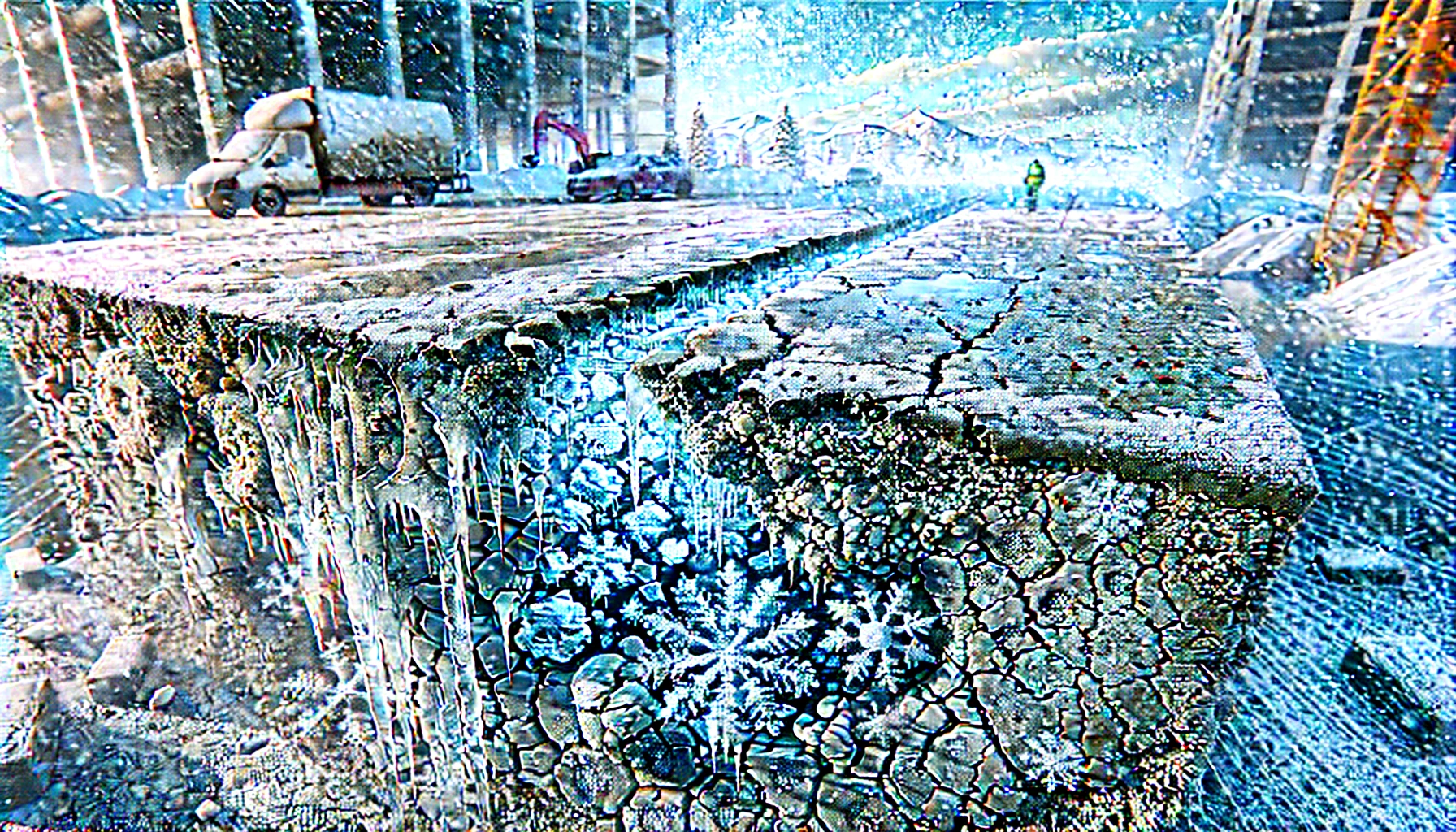
Freeze-thaw zones pose one of the most demanding conditions for concrete durability. As water seeps into the porous surface of concrete and freezes, it expands, creating internal pressure that can lead to cracks, scaling, and structural degradation over time. In climates where temperatures rise and fall around the freezing point repeatedly, these cycles occur daily during the colder months, compounding stress on the material.
Structures in these areas must be carefully designed to minimise moisture absorption and provide a way for internal pressure to escape. Without the right approach, even a well-poured slab can begin to deteriorate within a few seasons. Looking at concrete by climate is integral to understanding why materials behave differently under environmental pressure — and why freeze-thaw resilience is non-negotiable in many northern regions.
Air Entrainment and Mix Design
One of the most effective defences against freeze-thaw damage is a properly air-entrained concrete mix. These microscopic air bubbles, intentionally introduced during batching, act as pressure-relief chambers when water inside the concrete freezes and expands. Without them, pressure builds up in the pores, eventually fracturing the material from within.
Equally important is controlling the water-cement ratio. A lower ratio reduces permeability, limiting the amount of water that can penetrate the surface. Supplementary cementitious materials such as fly ash, slag cement, and silica fume are often added to further refine pore structure and improve long-term performance. Not all aggregates are created equal either. Durable, non-reactive aggregates that resist fragmentation during freezing are essential for any concrete placed in these conditions.
Placement and Finishing Techniques
Even the most thoughtfully designed mix can be compromised by poor site practices. In freeze-thaw zones, special care must be taken during placement and finishing. Overworking the surface can eliminate the benefits of air entrainment near the top layer, making the concrete more vulnerable to scaling. It also tends to trap bleed water, which freezes quickly and accelerates surface breakdown.
Timing is everything when working in colder weather. Concrete should never be placed directly on frozen ground, as it will experience uneven curing and may crack prematurely. Heated enclosures, thermal blankets, or ground thawing equipment can ensure more consistent curing temperatures. Curing compounds or wet curing should also be applied promptly to maintain surface moisture and allow full strength development before exposure to freezing conditions.
The Importance of Early Strength Gain
When concrete is placed in late autumn or early spring, there's often a narrow window before the first deep freeze. Concrete must gain sufficient strength before this point to resist damage. A minimum compressive strength of 500 psi is generally recommended before exposure to freezing temperatures. Accelerating admixtures and warm mixing water can help speed up early hydration when needed.
For structural slabs, footings, and precast elements, ensuring even early strength development is critical to long-term performance. Cold joints, inconsistent curing, or inadequate insulation during early hydration can cause uneven stress distribution, leading to cracking and moisture intrusion. These flaws often go unnoticed until the freeze-thaw cycles begin to do visible damage.
Critical Areas and Applications
Certain applications are more vulnerable in freeze-thaw zones due to prolonged exposure and traffic wear. Sidewalks, driveways, parking decks, exterior steps, and balconies are constantly subjected to melting snow, de-icing salts, and repeated freezing. These conditions are especially hard on horizontal surfaces where water can pool and refreeze.
Basement foundations are also at risk, particularly when ground saturation meets extreme temperature swings. Frost heave can cause upward pressure on slabs or footings, especially in poor soil conditions. Engineers working in variable terrain often evaluate soil and ground conditions before any concrete pour. Overlooking this step can increase the risk of structural shifting, cracking, and even water intrusion as the freeze-thaw cycles intensify underground forces.
Surface Protection Strategies
To extend the life of concrete exposed to freeze-thaw, surface treatments play a vital role. Penetrating sealers made of silanes or siloxanes are widely used because they repel moisture while allowing the concrete to breathe. These treatments soak into the substrate and form a chemical barrier that limits water ingress without creating a glossy film on the surface.
Film-forming sealers, such as acrylics or epoxies, are also used in high-traffic areas, offering additional abrasion resistance. However, these need reapplication more frequently and may trap moisture if not applied correctly. Timing the sealer application to allow for proper curing and moisture dissipation is crucial to avoid blistering or reduced adhesion.
Routine maintenance can’t be ignored. De-icing salts should be limited, and when used, promptly rinsed from the surface during thaws. Physical damage from snowplows and metal shovels should be avoided. Property owners who maintain their concrete surfaces proactively reduce the rate of wear and avoid costly repairs down the line.
Freeze-Thaw in Multi-Hazard Regions
In certain parts of the U.S., freeze-thaw conditions intersect with other environmental threats. In cities like Denver or Salt Lake City, for example, seismic activity is a secondary concern. When designing in such areas, it’s not enough to account for temperature stress alone. Joints must be detailed to accommodate both freezing expansion and lateral movement caused by tremors. Foundations must be flexible yet strong, with reinforcement layouts that reflect the region’s risk profile. More insight into this dual challenge can be found in our detailed look at seismic zones.
There are also zones where coastal exposure meets freezing temperatures. Places like New England and parts of the Pacific Northwest face unique threats from salt spray, brine runoff, and deep winter freezes. The chloride ions in sea salt penetrate the concrete and attack steel reinforcement, especially when microcracks form due to freezing expansion. Understanding the risks associated with coastal areas is essential for any contractor working in maritime freeze-thaw climates.
Temperature vs Moisture: The Hot Weather Comparison
Though the problems in cold regions are more obvious, extreme heat also poses challenges. High temperatures cause rapid water loss, which increases shrinkage and surface cracking. Poor timing or improper finishing during a hot pour can result in weak top layers or plastic shrinkage cracking. Unlike freeze-thaw deterioration, hot weather damage often starts at placement, not post-installation.
A good understanding of hot weather pours can help concrete professionals plan better across seasonal extremes. Whether heat or cold, the combination of temperature, humidity, and curing control has the final say in durability.
Long-Term Planning for Freeze-Thaw Zones
Projects in freeze-thaw areas require a mindset of durability from the start. Contractors, architects, and owners must collaborate to ensure design details align with environmental risk. That includes expansion joints, slope grading, surface drainage, and insulation below slabs. Commercial jobs often incorporate internal waterproof membranes, heated entranceways, or drip-edge details to prolong the life of exposed concrete.
Even on residential jobs, investing in weather-aware designs pays dividends. Avoiding flat surfaces without drainage, using air-entrained concrete, and applying annual sealers can add years of life to driveways and patios. Education remains the biggest gap in most regions. Too many installations fail not because of bad concrete, but because of poor preparation for environmental exposure.
Conclusion
Concrete in freeze-thaw zones is under constant assault — from moisture, from temperature, and from the chemistry of ice-melt products. Every decision, from mix design to surface protection, must be made with this reality in mind. With the right planning and maintenance, concrete in these harsh regions can remain serviceable for decades.
Understanding how concrete interacts with climate is one of the most important steps in modern construction planning. As we continue to build in more challenging environments, adapting our materials and methods to regional demands becomes not just smart practice, but essential.