
Why Timing Matters in Concrete Work
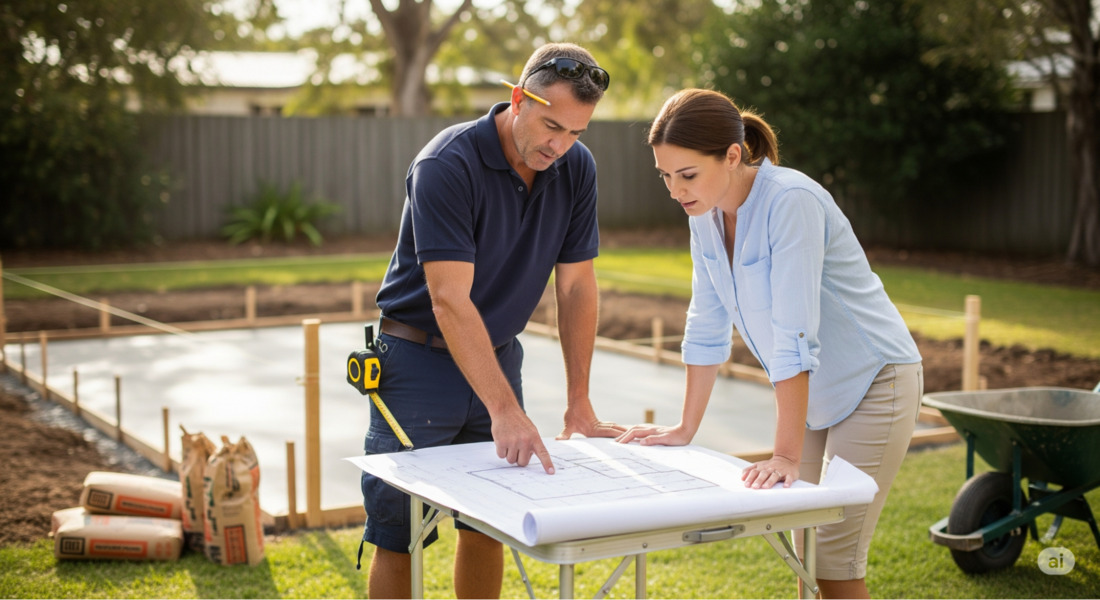
Concrete work is more than just pouring and waiting. Every successful project depends on timing. Whether you are replacing a driveway, installing a patio, or building a slab foundation, knowing what to expect at each stage can save time, reduce costs, and help avoid delays.
Many homeowners are surprised to learn that while the actual pour may take only a few hours, the total project can span several days or even weeks depending on size, weather, curing time, and site preparation. Misunderstanding these timelines leads to common frustrations like cracked surfaces, delayed construction, or unsafe use of newly poured concrete.
This guide breaks down the typical timeline of a concrete project, stage by stage. With insights grounded in proper concrete education, you will be able to plan more effectively and avoid the hidden pitfalls that come from rushing the process.
Phase 1: Planning and Permits
Before you break ground, there are a few behind-the-scenes steps that can take anywhere from a day to a few weeks, depending on the project and local regulations. During this phase, you will:
- Finalize your design and layout
- Choose your contractor or decide to DIY
- Check local zoning rules
- Apply for permits (if required)
Many residential jobs like patios or walkways may not require formal approval. However, larger slabs, driveways that impact street access, or anything involving footings typically must comply with city codes. Waiting for permits to process can delay your project if not handled early.
A well-defined scope, solid layout plan, and clear communication with your contractor will help avoid unnecessary revisions later on.
Phase 2: Site Preparation
Once approvals are in place, site preparation begins. This is one of the most critical steps in ensuring long-term durability and includes:
- Removing grass, old concrete, or other materials
- Grading and compacting the sub-base
- Setting up forms and ensuring proper slope for drainage
- Laying down gravel or a compacted base
- Placing reinforcements like rebar or wire mesh (if needed)
Depending on the size and complexity of the job, this phase can take anywhere from one to three days. It may take longer if you're demolishing existing slabs, dealing with slope correction, or encountering unexpected issues like poor soil or tree roots.
While it is tempting to rush into pouring concrete, skipping or shortcutting site prep is the most common reason for slab failure. Investing time here ensures a solid, stable foundation for years to come.
Phase 3: Concrete Delivery and Pouring
The day of the pour is often the most visible and dramatic part of the project. Concrete trucks arrive, workers are in motion, and everything seems to happen quickly. But preparation leading up to this moment is what allows the pour to go smoothly.
Here is what to expect:
- Final checks on formwork and reinforcement
- Delivery of concrete mix to the site
- Placement of concrete using wheelbarrows, chutes, or pumps
- Screeding and leveling
- Applying initial finish (broom, trowel, or stamp)
- Cutting control joints within 6 to 24 hours of finishing
The pouring phase usually takes between a few hours and one full day, depending on the size of the slab. For larger pours, contractors may schedule multiple days or work in sections.
Weather plays a big role here. Hot, cold, or windy conditions can require adjustments in mix design, finish timing, or curing method. It is essential that your contractor monitors these factors closely.
Phase 4: Curing and Initial Protection
Once the surface is finished, curing begins. Curing is the controlled retention of moisture in the concrete so that it gains strength over time. This is not a passive step. Proper curing determines the surface’s durability, resistance to cracking, and overall performance.
Curing techniques may include:
- Applying water-based curing compounds
- Covering the surface with plastic sheeting or wet burlap
- Continuous water spraying or misting
- Leaving forms in place for extra moisture retention
Most residential concrete should be cured for at least 7 days. During this time, foot traffic should be limited, and vehicle traffic should be avoided entirely. If possible, shade and wind protection should be provided to prevent premature surface drying.
Skipping curing or removing protective layers too soon is one of the most common reasons for surface dusting, premature cracking, or discoloration.
Phase 5: Usability and Load Readiness
Here is a general guideline for when you can start using your new concrete slab:
- 24 to 48 hours: Light foot traffic is usually safe
- 7 days: You can place lightweight items like patio furniture
- 10 to 14 days: Bicycles, garbage bins, and light carts may be acceptable
- 28 days: Full load-bearing strength is typically reached
This final milestone is especially important for driveways, garage slabs, and commercial areas. Even though the concrete may look hard within a few days, the internal structure is still developing. Driving on it too early can cause tire marks, surface scarring, or cracks that compromise long-term strength.
If you are planning to build on top of the slab, such as placing a hot tub, shed, or outdoor kitchen, wait until the concrete is fully cured. Use that time to continue planning, organizing, and finishing surrounding landscape work.
Factors That Can Extend or Shorten Timelines
No two projects are the same. While the general stages are consistent, many variables can affect how long each phase takes:
1. Project Size and Complexity
A small backyard pad may be poured in one day and cured within a week. A large multi-section driveway or commercial slab may involve staged pours, longer prep, and more curing time.
2. Weather and Season
Cold temperatures slow curing. Hot temperatures speed up evaporation. Both conditions require adjustments. Rain before or during a pour can delay everything. Wind affects surface drying. Contractors often plan around local forecasts to minimize risk.
3. Contractor Availability
Good contractors are often booked in advance. Planning a few weeks ahead ensures your timeline aligns with their schedule. Rushed bookings can compromise both quality and availability of the crew.
4. Permit Delays or Revisions
If your municipality has slow processing times or if your plans require resubmission, the permitting process may delay your start date significantly. Getting approvals sorted early avoids last-minute changes.
5. Access and Site Conditions
If the jobsite is hard to reach, full of debris, or located on a slope, expect longer setup times and more equipment. This is especially true for urban jobs or tight residential spaces with limited maneuverability.
Sample Timeline for a Typical Residential Project
Let’s walk through a common example. Suppose you are pouring a 400-square-foot patio in a suburban backyard with clear access and no demo work required.
- Day 1: Site prep and layout
- Day 2: Forming, compacting base, installing reinforcement
- Day 3: Pour and finish
- Day 4–10: Curing and light monitoring
- Day 11–28: Continue curing and restrict heavy loads
- Day 29: Full strength reached, open to full use
This 4-week window is ideal for long-term success. Cutting corners, especially during curing, may shave off a few days but shorten the life of your concrete by years.
Why Understanding Timelines Helps You Succeed
Concrete is a permanent part of your property. Rushing any stage of the process often leads to cracks, discoloration, drainage issues, or structural failure. Conversely, planning each phase with intention gives you control over outcomes and costs.
Understanding timelines also helps manage expectations with neighbors, subcontractors, and delivery schedules. You can coordinate landscaping, building, or staging areas with confidence. If you’re working with a contractor, knowing what’s realistic also helps you identify red flags. Promises of one-day installs for large slabs or curing shortcuts should prompt further questions.
Most importantly, understanding concrete project timelines gives you peace of mind. You’ll know that the structure under your feet was built to last.
Final Thoughts: The Key to Durable Concrete Is Timing
Concrete work is a process that rewards patience. Each phase plays a role in determining strength, finish, and long-term performance. When you understand the full timeline, you’re better prepared to plan your project, protect your investment, and avoid costly mistakes.
By following the right steps, accounting for delays, and letting each phase play out, you ensure the slab you pour today performs for decades to come. Whether you’re working with contractors or managing a small project yourself, good timing is as important as good materials.