
Among the wide variety of concrete finishes available today, exposed aggregate holds a special place for its raw, natural appeal. By revealing the stones, pebbles, or decorative aggregates embedded within concrete, this finishing technique creates a surface that is textured, slip-resistant, and visually striking. It’s as functional as it is attractive, which explains why you’ll see exposed aggregate in both high-traffic public spaces and stylish residential settings.
Exposed aggregate represents the perfect meeting point between strength and design flexibility. While stamped concrete focuses on replicating other materials, and polished concrete turns slabs into glossy, refined floors, exposed aggregate celebrates the natural elements within the concrete mix itself. It’s this authenticity that has kept it popular for decades, even as newer finishes like broomed and float surfaces offer their own unique benefits.
What Is Exposed Aggregate?
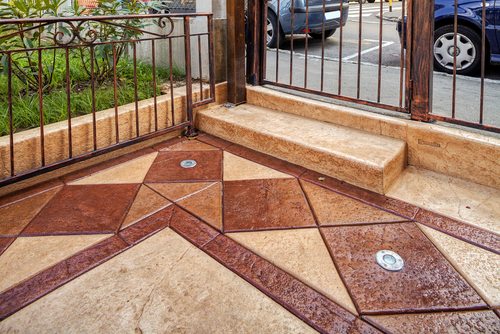
Exposed aggregate is achieved by washing away the top layer of cement paste to expose the decorative stones beneath. These aggregates can be anything from natural river pebbles to crushed quartz or granite chips, depending on the desired look. The result is a surface that feels organic, textured, and incredibly durable.
From a contractor’s perspective, this finish requires precision. The timing of when to expose the aggregate is critical: too soon and the surface weakens, too late and the aggregates won’t reveal properly. This is why experienced professionals are highly sought after for this type of work — their knowledge of curing times, surface treatments, and aggregate selection directly impacts the final quality.
Why Exposed Aggregate Remains a Top Choice
Built-In Slip Resistance
One of the standout features of exposed aggregate is its inherent grip. The textured surface makes it ideal for pool surrounds, pathways, and driveways where slip resistance is a safety priority. Compared to a broom finish, which adds texture through surface brushing, exposed aggregate achieves traction naturally through its stone composition.
Aesthetic Appeal Without Added Cost
Instead of additional staining or stamping, exposed aggregate relies on the beauty of its embedded materials. Choosing colourful or unique stones can transform a simple slab into a decorative feature. For homeowners who want a durable surface that also enhances curb appeal, exposed aggregate offers an affordable upgrade.
Best Applications for Exposed Aggregate
Driveways
Exposed aggregate driveways are common because they handle vehicle traffic well and add instant visual impact to the home’s exterior. The stones’ durability prevents wear, even under heavy use.
Patios and Walkways
Patios finished with exposed aggregate provide a rustic charm that blends naturally into gardens and landscaped areas. Walkways, too, benefit from the added grip, ensuring safety in both wet and dry conditions.
Pool Areas
The natural traction of exposed aggregate makes it a leading choice for pool surrounds. Unlike polished finishes, which can become slick when wet, the rougher texture of aggregate improves footing and reduces risk.
Public Spaces
Urban planners often choose exposed aggregate for plazas, parks, and communal areas. It balances visual appeal with resilience, proving that functional surfaces can still be attractive.
Comparing Exposed Aggregate to Other Concrete Finishes
Every finishing technique has strengths, and understanding how exposed aggregate compares helps property owners make informed decisions.
Exposed Aggregate vs. Broom Finish
Both finishes provide traction, but broomed surfaces rely on the grooves made by a brush. Exposed aggregate offers a more decorative solution, since the stones create patterns and colour variation. For large-scale projects where budget is tight, broom finishes may be chosen, while exposed aggregate suits spaces where design matters just as much as function.
Exposed Aggregate vs. Polished Concrete
When using polished concrete, the surface is ground down and refined to produce a sleek, reflective look often used indoors. Exposed aggregate, by contrast, is textured and better suited to outdoor environments. Each has its place — polished for showrooms or interiors, aggregate for exterior durability and grip.
Exposed Aggregate vs. Troweled or Float Finish
When we consider troweled vs. float finishes, the focus is on achieving smooth or lightly textured surfaces. These are often chosen for utility areas or as bases for coatings. Exposed aggregate offers a more decorative and rugged alternative, especially in spaces where natural stone aesthetics enhance the overall look.
Expert Insights: Why Contractors Recommend Exposed Aggregate
Experienced contractors often recommend exposed aggregate because it combines form and function better than many other finishes. From a technical standpoint, the stones add compressive strength, making the slab less prone to surface wear. Aesthetic versatility is another factor — clients can select aggregates in different colours, sizes, and materials to achieve a custom look.
Having worked on countless driveways and pool decks, many professionals attest that exposed aggregate is one of the most reliable finishes for balancing safety and visual impact. This kind of recommendation reflects industry expertise and reinforces why the finish has remained a staple across decades of projects.
Installation Process and Key Considerations
The process starts like any other slab pour, but what happens in the final stages is crucial. After placing and levelling the concrete, surface retarders are applied to slow down curing on the top layer. This allows contractors to wash away the top paste and reveal the aggregates beneath.
Timing is everything — an early wash may weaken the surface, while a delayed one can lock the aggregates under hardened cement. Contractors with extensive field experience know how to gauge environmental conditions, curing times, and materials to achieve the perfect reveal.
Maintenance and Long-Term Durability
Exposed aggregate is highly durable, but like all concrete finishes, it benefits from occasional maintenance. Sealing every few years protects the stones from staining and enhances their colours. Simple cleaning with water and mild detergent usually suffices for regular upkeep.
One of the trust-building advantages of this finish is its longevity. With proper sealing and care, exposed aggregate can easily last decades, resisting both heavy use and weathering. Compared to broom or float finishes, which may lose definition over time, exposed aggregate retains its character because the stones themselves don’t wear down.
Potential Downsides to Consider
No surface is without drawbacks. Exposed aggregate can be rough on bare feet, which makes it less suitable for spaces where people want a smoother feel, like certain patios. It can also collect dirt and debris in its textured surface, requiring more frequent cleaning than polished concrete.
Additionally, resealing is important to maintain colour vibrancy. Without it, some aggregates may appear dull over time. That said, most homeowners find the maintenance manageable, especially given the long-term strength of the surface.
Design Possibilities with Exposed Aggregate
A key appeal of exposed aggregate lies in its customisation. Contractors can select aggregates in specific colours, from deep reds to cool greys, or even combine them for unique effects. Borders, patterns, and mixed finishes are increasingly popular, blending aggregate areas with smoother broomed or polished sections for contrast.
Design flexibility means homeowners can create spaces that look entirely different, even when using the same base material. This adaptability underscores the finish’s continued relevance in modern landscaping and architecture.
Conclusion
Exposed aggregate is proof that concrete can be both tough and beautiful. Its slip resistance, natural stone look, and long-term durability make it one of the most trusted choices for driveways, patios, and public areas. While it does require resealing and can be rough underfoot, the benefits outweigh the drawbacks for most property owners.
When viewed alongside other concrete finishing techniques, exposed aggregate stands out for its balance of safety and style. Whether compared with broom finishes for simplicity, polished concrete for elegance, or troweled vs. float surfaces for utility, aggregate remains one of the most versatile options available. Its proven track record and contractor endorsement give homeowners confidence to invest in a finish built to last.