
Concrete is a remarkable material. It’s strong, durable, and when properly installed, it can last for many decades. From your home’s foundation to your driveway, patio, and sidewalks, concrete provides the stable surfaces we rely on every day.
However, even the toughest materials need a little care to stay at their best. Just like you wouldn’t buy a new car and never change the oil, you shouldn’t expect your concrete surfaces to perform perfectly year after year without some attention.
Regular maintenance isn't just about keeping your concrete looking good; it's about preserving its strength and significantly extending its lifespan. A small crack today, if ignored, can become a major headache and a costly repair tomorrow. Taking a proactive approach can save you a substantial amount of money and prevent the need for early replacement down the line.
The kind of care your concrete needs can vary quite a bit, depending on where you live, how you use the concrete, and even the type of concrete finish you have. For instance, a driveway in a region with harsh winters will face challenges different from those of a decorative patio in a milder climate. Similarly, a high-traffic commercial walkway will require more frequent inspections and perhaps different repair strategies than a quiet backyard path.
In this article, we’ll explore the ins and outs of concrete maintenance and repairs.
Understanding Concrete Deterioration
Even though concrete is incredibly durable, it's not indestructible. Over time, various factors contribute to its wear and tear, leading to deterioration. Understanding these causes is the first step in preventing and addressing problems effectively.
How and Why Concrete Wears Down Over Time
Concrete’s strength comes from a carefully balanced mix of cement, aggregates (like sand and gravel), and water. When this balance is disrupted or the concrete is subjected to external forces, its integrity can be compromised.
Weather Exposure
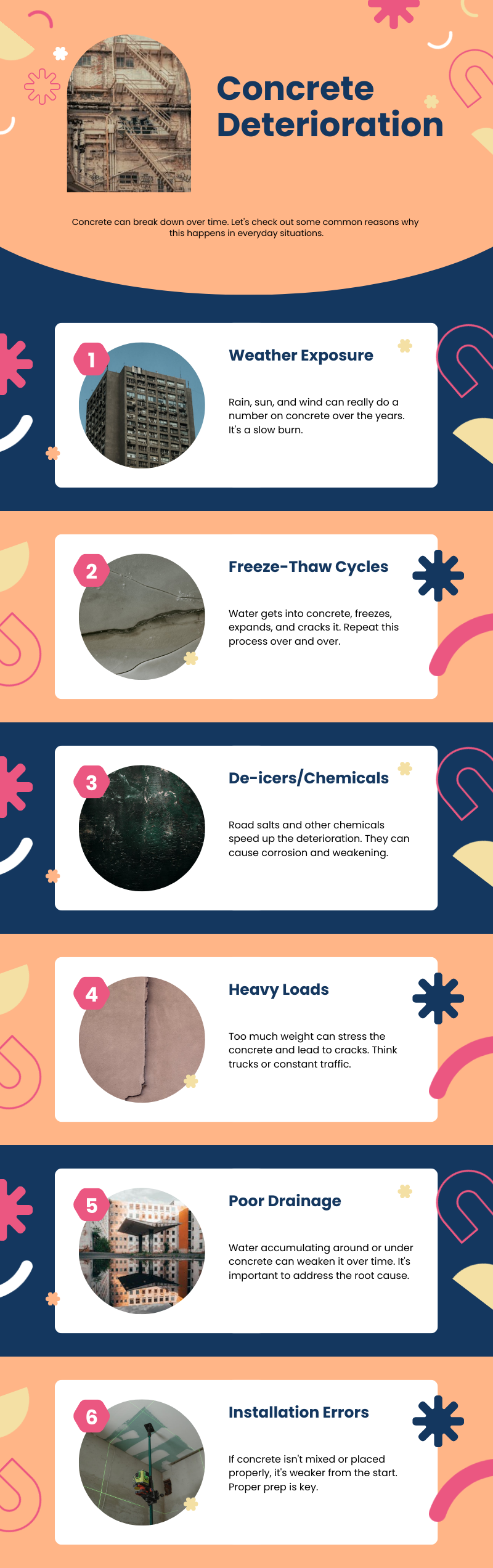
Weather exposure is one of the most significant culprits. Sunlight, rain, and fluctuating temperatures all play a role. Constant cycles of wetting and drying can lead to expansion and contraction, putting stress on the concrete. Over many years, this can contribute to cracking and surface erosion.
Freeze-Thaw Cycles
Freeze-thaw cycles are particularly damaging in colder climates. When water seeps into microscopic pores or small cracks in the concrete and then freezes, it expands. According to the National Institutes of Health, this expansion creates pressure within the concrete.
When the ice thaws, the water once again occupies the space, only to freeze and expand again. This repeated action can cause the concrete to chip, flake, and spall (a process where pieces of the surface break away).
De-icers and Chemicals
While seemingly helpful for melting ice, de-icers and chemicals can be very harsh on concrete, especially if applied incorrectly or in excessive amounts. Many de-icing salts contain chemicals that can react with concrete components, leading to surface damage.
Magnesium chloride and calcium chloride, commonly found in de-icers, can be particularly aggressive. It's important to use concrete-safe de-icing products or, even better, focus on mechanical removal of snow and ice whenever possible.
Heavy Traffic or Excessive Load
Heavy traffic or excessive load can also take a toll. While concrete is designed to bear weight, repeated heavy vehicle traffic or the continuous placement of very heavy objects in one spot can cause fatigue and cracking. If the sub-base (the ground beneath the concrete) isn't adequately prepared to support the load, settling and cracking are even more likely.
Poor Drainage or Initial Installation Errors
Poor drainage or initial installation errors are often at the root of many concrete problems. If water pools on or near a concrete slab instead of draining away, it can lead to constant saturation, accelerate freeze-thaw damage, and even undermine the sub-base, causing the concrete to sink.
Similarly, if the concrete wasn't mixed or cured correctly during installation, or if proper control joints weren't put in place, the concrete will be more susceptible to early failure. An experienced contractor understands the importance of proper sub-base preparation, correct concrete mix, and appropriate joint placement to ensure long-term performance.
This infograph shows some of the main causes of concrete damage we have found to be common over the years:
Early Signs of Trouble
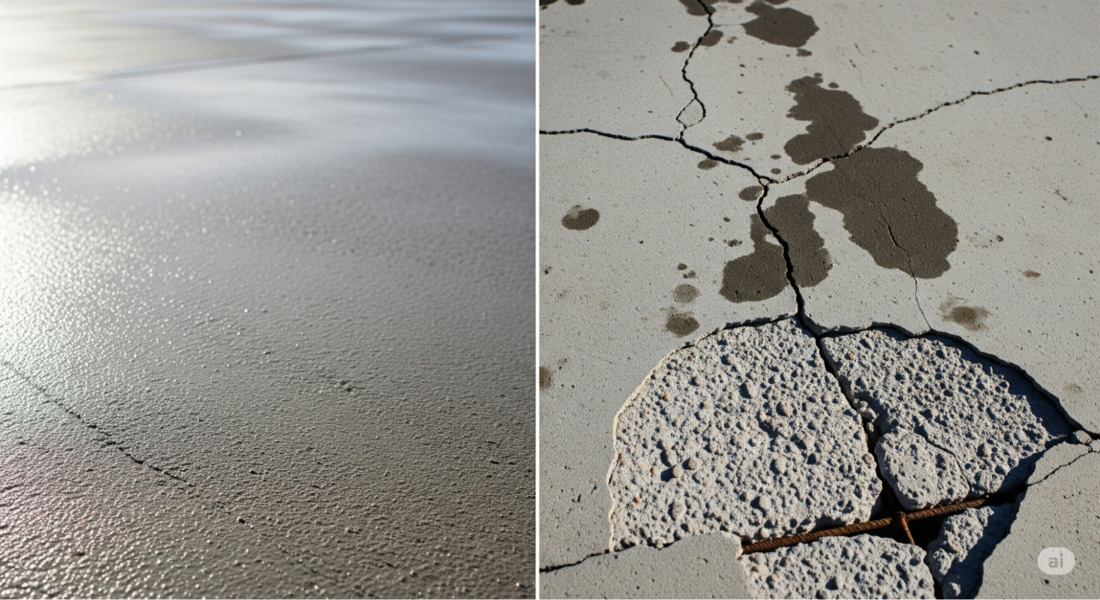
Catching problems early can make a huge difference in the cost and complexity of repairs. Be on the lookout for these common indicators:
- Cracks: While hairline cracks are often just a natural part of concrete settling and drying, larger, propagating cracks, especially those that are wide or show significant displacement, can indicate more serious issues like sub-base problems or structural stress.
- Scaling: This refers to the flaking or peeling away of the concrete surface, often caused by freeze-thaw cycles or the improper use of de-icers.
- Discoloration: While some staining is normal, widespread or sudden changes in color can signal moisture issues, efflorescence (white powdery deposits), or chemical reactions.
- Settling: If a section of your concrete slab appears lower than the surrounding areas, or if it slopes unexpectedly, this could mean the sub-base has eroded or settled, which can lead to further cracking and drainage problems.
- Pitting: Small, crater-like depressions on the surface of the concrete can be caused by various factors, including the poor quality of aggregates, freeze-thaw damage, or chemical exposure.
- Spalling: Similar to scaling but often deeper, spalling involves larger chunks of concrete breaking away from the surface, exposing the aggregate underneath. This is usually a sign of significant moisture intrusion and freeze-thaw damage.
- Algae or Moss Growth: While not directly damaging to the concrete itself, persistent algae or moss indicates a consistent moisture problem, which can lead to slipping hazards and contribute to surface degradation over time. It also means your concrete isn't drying out sufficiently.
Noticing cracks, scaling, or uneven slabs? These may look small now, but left untreated, they often snowball into bigger, costlier repairs. Don’t wait for the damage to spread. Book an expert inspection today and get clarity on what your concrete really needs. Peace of mind is just one appointment away.
Routine Concrete Maintenance
Routine maintenance is the backbone of concrete longevity. By consistently performing a few simple tasks, you can head off many potential issues before they become serious and expensive to fix. Think of it as preventative healthcare for your concrete.
Regular Cleaning
Keeping your concrete clean is more than just an aesthetic choice; it’s a crucial part of its long-term health. Dirt, grime, oil, and organic matter can trap moisture against the surface, leading to staining, mildew, and even degradation over time.
How Often to Clean
The frequency of cleaning depends on the concrete’s location and usage. A busy driveway or a patio under trees will need more frequent cleaning than a quiet walkway. Generally, a thorough cleaning once or twice a year is a good baseline for most residential concrete. However, spills, oil leaks, or excessive dirt should be cleaned up as soon as they occur.
Equipment
For light cleaning, a stiff-bristled broom and a garden hose are often sufficient. For more stubborn dirt, mold, or algae, a power washer can be highly effective. When using a power washer, be mindful of the pressure setting. Too high a pressure, especially with a narrow nozzle, can damage the concrete surface, eroding the cement paste and exposing the aggregate. Start with a wider fan tip and lower pressure, gradually increasing if needed. Always keep the nozzle moving to avoid etching lines into the concrete.
Eco-Safe Cleaners
For oil stains or stubborn grime, a variety of cleaners are available. Look for products specifically designed for concrete and, whenever possible, opt for eco-safe, biodegradable options to protect your landscaping and the environment.
Simple solutions like a mix of dish soap and warm water can often work wonders for oil stains if applied promptly and scrubbed. For deeper methods of concrete care, where stubborn stains or extensive grime are concerned, see our guide to concrete cleaning. This provides more in-depth strategies and product recommendations.
Preventing Mold, Oil Stains, and Dirt Buildup
The best way to deal with these issues is to prevent them. Sweep regularly to remove leaves, dirt, and debris. Clean up spills immediately, especially oil and grease, by blotting them up and then treating the stain with an appropriate cleaner. If you have areas prone to mold or algae due to shade and moisture, consider improving drainage or trimming back vegetation to allow more sunlight and air circulation.
Sealing Concrete
Sealing is one of the most important steps you can take to protect your concrete investment. It's like applying a clear coat of armor.
Why Sealing Protects Concrete from Moisture, Staining, and Wear
Even though concrete seems solid, it is actually quite porous. It contains millions of tiny capillaries that can absorb water, oil, and other liquids. A good-quality sealer penetrates these pores, forming a protective barrier that repels water and prevents stains from soaking in. This barrier significantly reduces the impact of freeze-thaw cycles by preventing water from entering the concrete and expanding. It also makes the surface easier to clean and helps to prevent surface erosion from abrasion and chemical exposure.
Types of Concrete Sealers
There are several types of concrete sealers, each with its own benefits:
- Penetrating sealers: These sealers soak into the concrete and chemically react to form a barrier within the pores. They typically don't change the appearance of the concrete and provide excellent protection against moisture and freeze-thaw damage. They are very durable and ideal for driveways, sidewalks, and other areas where a natural look is desired.
- Topical (film-forming) sealers: These sealers create a protective film on the surface of the concrete. They often enhance the color and can provide a gloss or satin finish. Acrylic sealers are a common type of topical sealer, offering good stain resistance and making the surface easier to clean. They are popular for patios and decorative concrete, but may require reapplication more frequently than penetrating sealers, especially in high-traffic areas, as the film can wear away.
- Epoxy and Urethane sealers: These are typically much tougher and more durable, often used for garage floors or commercial applications where heavy wear and chemical resistance are critical. They provide a very hard, often glossy, surface.
Protect your concrete with the right sealer—before water, stains, or freeze-thaw damage sneak in. Whether you need advice, help applying a new coat, or a full resealing service, we’re ready to assist. We’ll help you choose the right product for your surface and conditions. Let’s make sure your concrete stays strong for years to come.
When and How to Reseal
The lifespan of a sealer varies depending on the type, the quality of the product, and the amount of traffic and exposure the concrete receives. As a general rule, penetrating sealers may last 5-10 years, while topical sealers might need reapplication every 1-3 years. You can test your concrete's need for resealing by pouring a small amount of water on the surface. If the water beads up, the sealer is still working.
If it soaks in and darkens the concrete, it’s time to reseal. Before applying any sealer, the concrete must be thoroughly cleaned and completely dry. Follow the manufacturer's instructions for application carefully, as proper technique is essential for optimal performance. Sealing concrete regularly can add years to its life, protecting it from moisture, stains, and wear. Learn more about the sealing process here.
Seasonal Maintenance
Your concrete faces different challenges throughout the year, so adapting your maintenance routine to the seasons makes good sense.
Spring and Fall Inspections
These are prime times for a thorough check-up. In spring, after the winter thaw, inspect your concrete for any new cracks, spalling, or areas where de-icers may have caused damage. In fall, before winter sets in, clear away any debris and make sure all surfaces are ready to handle freezing temperatures and snow. Look for any areas where water might pool.
Leaf and Debris Removal
Leaves, especially when wet, can stain concrete and, if left to decompose, can create an acidic environment that is not good for the surface. Regularly sweep or blow off leaves, dirt, and other organic debris, especially from shaded areas where moisture tends to linger.
Drainage Checks
This is critical, particularly before and after heavy rain seasons. Ensure that downspouts are directed away from concrete slabs and foundations. Check that the ground around your concrete slopes away from it, allowing water to drain naturally.
Any areas where water consistently pools on or next to your concrete need to be addressed, as standing water is a primary cause of concrete deterioration and sub-base erosion. Winter can be especially tough on concrete, so ensuring proper drainage in the fall is a vital step. Check out our winter concrete care tips to stay ahead of damage.
Concrete Repair Basics
Even with the best maintenance routine, concrete can sometimes show signs of wear and tear that go beyond simple cleaning or sealing. Recognizing when maintenance isn't enough and understanding the different types of repairs is crucial.
When Maintenance Isn’t Enough — Recognizing Damage That Needs Repair
Maintenance aims to prevent damage, but once damage occurs, it requires repair. The key is to differentiate between minor issues and those that signal more significant problems.
How Minor Cracks Differ from Structural Problems
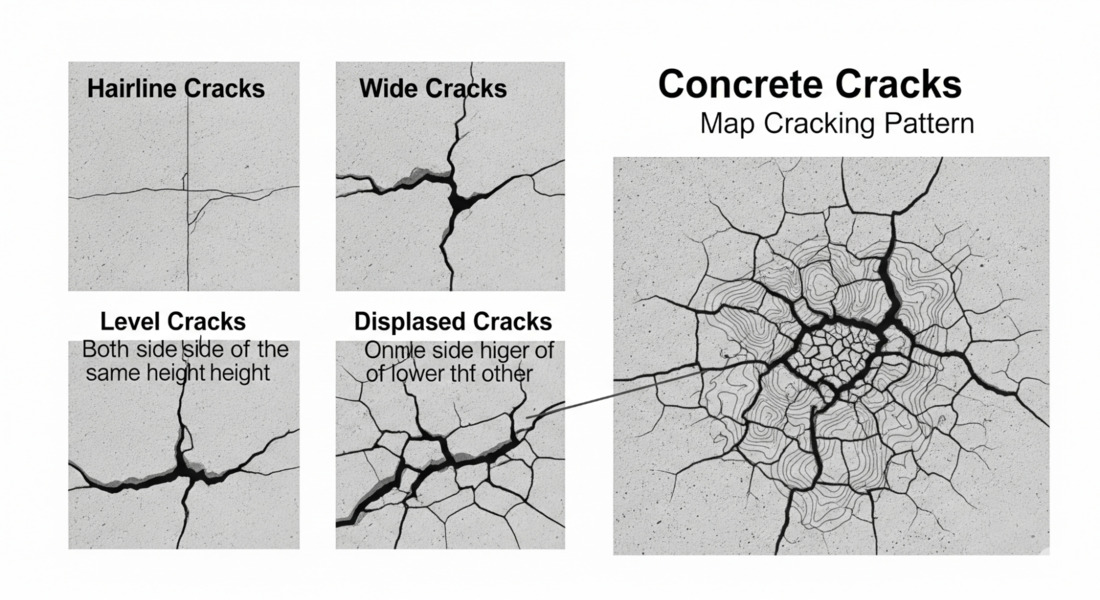
Hairline cracks, often less than 1/8 inch wide, are very common in concrete and are usually a result of normal drying shrinkage and minor settling. These are typically cosmetic and can be sealed to prevent water intrusion.
However, cracks that are wider than 1/8 inch, show vertical displacement (one side is higher than the other), are actively growing, or form a spiderweb pattern can indicate more serious issues. These might point to problems with the sub-base, excessive load, or even underlying structural issues with your foundation. A professional should evaluate such cracks.
Cosmetic vs. Functional Repairs
Some repairs are primarily about improving the appearance of your concrete. This includes patching small spalls, filling minor cracks, or resurfacing a stained slab. These repairs enhance curb appeal and prevent minor issues from worsening. On the other hand, functional repairs address issues that affect the safety, stability, or usability of the concrete.
This could involve lifting a sunken slab to eliminate a trip hazard, repairing significant spalling to restore structural integrity, or fixing drainage problems undermining the concrete. Both repairs are important, but functional repairs often take precedence due to safety and structural concerns.
Common Repairs
Addressing common concrete issues promptly can prevent them from escalating.
Hairline Crack Patching
A good-quality concrete crack filler or sealant can be used for cracks up to about 1/8 inch wide. These products come in tubes for easy application and help prevent water, dirt, and insects from entering the crack, which is key to preventing freeze-thaw damage. The process usually involves cleaning out the crack thoroughly, letting it dry, and then applying the filler according to the product instructions.
Joint and Edge Repairs
Expansion joints (often filled with a flexible material) and control joints (cut into the concrete) are vital for allowing concrete to expand and contract without cracking randomly. Over time, the filler in expansion joints can deteriorate, or the edges of control joints can chip.
These can be repaired by cleaning out the joint and refilling it with a backer rod and a flexible sealant specifically designed for concrete joints. Chipped edges can sometimes be patched with a concrete repair mortar, carefully shaping it to match the existing profile.
Spalling and Flaking Surface Fixes
When the surface of concrete begins to spall or flake, it indicates a weakening of the top layer. For small, localized areas, a concrete resurfacer or repair mortar can be used. The damaged area must be thoroughly cleaned, loose material removed, and a bonding agent applied if recommended by the product. Then, the repair material is mixed and troweled over the affected area, feathering it into the surrounding concrete. This can restore a smooth, durable surface.
Lifting or Sunken Slab Correction (Mudjacking or Foam Lifting)
If a concrete slab has settled significantly, creating a trip hazard or drainage problem, it usually means the soil underneath has eroded or compacted. Two common methods for lifting sunken slabs are mudjacking and foam lifting.
- Mudjacking involves drilling small holes in the sunken slab and then pumping a slurry mixture (typically a mix of water, cement, sand, and other additives) underneath the slab. The pressure of the slurry lifts the concrete back to its original position.
- Foam lifting (polyjacking) uses a similar process but injects a high-density polyurethane foam instead of a cement slurry. The foam expands and hardens, lifting the slab. Foam lifting is often faster, lighter, and requires smaller injection holes. Both methods are effective alternatives to replacing an entire slab, saving time and money.
Resurfacing Options for Worn or Stained Slabs
If a concrete slab is structurally sound but looks old, worn, or heavily stained, resurfacing can give it a completely new life. This involves applying a thin layer of specialized concrete overlay material over the existing slab. These overlays can be plain gray, colored, textured, or even stamped to mimic other materials like stone or tile.
Before resurfacing, the existing concrete must be thoroughly cleaned, prepared, and sometimes primed to ensure proper adhesion of the overlay. This is a great way to dramatically improve the appearance of concrete without the expense and disruption of full replacement.
Tools and Materials for DIY Maintenance
Many routine concrete maintenance and minor repair tasks are well within the capabilities of a diligent homeowner or property manager. Having the right tools and materials on hand makes these jobs much easier and more effective.
List of Basic Maintenance Tools
- Stiff-bristled broom: Essential for sweeping away loose dirt, leaves, and debris.
- Garden hose with a spray nozzle: For rinsing surfaces and for light cleaning.
- Power washer (optional but recommended): For deeper cleaning of stubborn dirt, algae, and grime. If you don't own one, they are often available for rent. Remember to use appropriate pressure settings and tips.
- Buckets: For mixing cleaners or carrying water.
- Scrub brush: A good hand-held brush for scrubbing stains with cleaner.
- Gloves and eye protection: Always important for safety, especially when using cleaners or working with concrete materials.
- Soft cloths or sponges: For wiping down surfaces or applying certain cleaners.
- Squeegee: Can be useful for moving water off large flat areas after cleaning.
Repair Materials
- Concrete cleaner: Choose a product specifically designed for concrete to remove oil, grease, rust, or mildew stains. There are various types, so select one appropriate for your specific stain.
- Concrete sealer: As discussed, choose between penetrating or topical sealers based on your concrete type, desired finish, and environmental conditions. Make sure to buy enough to cover your entire area with the recommended number of coats.
- Concrete patch compounds/repair mortar: For fixing spalling, shallow pits, and small chips. These come in various formulations; some are fast-setting, while others offer more working time.
- Concrete crack fillers/sealants: For sealing hairline cracks. These often come in caulk tubes for easy application. Ensure it's suitable for outdoor use and for concrete.
- Bonding agents/primers: Sometimes required when patching or resurfacing older concrete to ensure the new material adheres properly. Check the instructions of your patch or resurfacing product.
- Trowels and floats: For applying and smoothing patch compounds or resurfacing materials. A small pointing trowel is good for cracks, while a larger finishing trowel or float is needed for broader areas.
- Wire brush or chisel: For cleaning out cracks or removing loose material before patching.
- Mixing paddle and drill (for larger repairs): If you're mixing larger batches of repair mortar or resurfacer, a paddle attachment for a drill makes the job much easier than hand mixing.
When DIY Is Fine vs. When to Call a Pro
Deciding when to DIY and when to call a professional is a crucial part of responsible concrete maintenance.
DIY is generally fine for:
- Routine cleaning and sweeping.
- Applying or reapplying concrete sealer.
- Filling hairline cracks (less than 1/8 inch wide) that are not growing.
- Patching very small, shallow chips or spalls (dime-sized or smaller).
- Clearing debris from drainage paths.
These tasks require attention to detail and some basic tools, but they don't usually involve significant structural risk or complex techniques. Taking on these smaller tasks yourself can save money and give you a sense of accomplishment.
When to Hire a Concrete Repair Professional
While a handy homeowner can handle many minor concrete issues, there are definite times when the expertise, equipment, and experience of a professional concrete contractor are not just helpful but essential. Trying to tackle certain repairs without the right knowledge can lead to bigger problems, increased costs, and even safety hazards.
Large or Structural Cracks
Any crack that is wider than 1/8 to 1/4 inch, is growing rapidly, shows significant vertical displacement (one side higher than the other), or forms a complex pattern like alligator cracking, is a strong indicator of an underlying structural issue. These are not just cosmetic problems. Such cracks often point to:
- Sub-base failure: The soil or material beneath the concrete slab may have eroded, settled unevenly, or was improperly compacted during installation.
- Excessive load: The concrete might be subjected to weights it wasn't designed to bear, causing it to crack under stress.
- Expansive soils: In some regions, certain soil types can swell when wet and shrink when dry, putting immense pressure on concrete and leading to widespread cracking.
- Foundation movement: In some cases, cracks in exterior concrete can be linked to much larger issues with your building's foundation.
A professional contractor has the experience to diagnose the root cause of these larger cracks. They can recommend appropriate solutions, which might range from deep patching with specialized materials to more involved processes like sub-base stabilization or even full concrete replacement if the damage is severe. Improperly "fixing" a structural crack with a simple patch will only hide the symptom while the underlying problem continues to worsen.
Foundation Damage
Suppose you notice cracks in your home's foundation walls, significant cracking in a concrete slab that is integral to the foundation (like a basement floor or garage slab that's part of the house's structure), or signs of severe settling around your foundation. In that case, it’s imperative to call a foundation repair specialist or a concrete contractor with expertise in structural concrete.
According to ASCE, foundation damage can compromise the entire stability of your building. Professionals can perform structural assessments, identify the extent of the damage, and implement solutions like underpinning, piering, or slabjacking to stabilize the foundation. This is definitely not a DIY project.
Repeated Water Intrusion or Drainage Problems
If you consistently have standing water on your concrete surfaces, water pooling against your foundation, or signs of water seeping into your basement or crawl space around concrete elements, these are major red flags. While some basic drainage checks can be DIY, persistent or complex drainage issues often require professional intervention. A concrete contractor can:
- Assess the grade and slope: Determine if your property's grading properly directs water away from concrete and your foundation.
- Install French drains or catch basins: These systems are designed to collect and divert excess water away from problem areas.
- Regrade the landscape: Re-sloping the ground around your concrete can significantly improve drainage.
- Repair or install proper control and expansion joints: Ensuring these joints are correctly installed and maintained helps manage water and reduce stress on the concrete.
- Evaluate sub-base conditions: Water intrusion can lead to sub-base erosion, causing concrete to sink or crack. A professional can assess this and recommend solutions.
Ignoring repeated water problems can accelerate concrete deterioration, mold growth, foundation damage, and costly repairs down the road.
Complex Finishes (Stamped, Stained, Decorative)
If you have decorative concrete, such as stamped concrete, stained concrete, or exposed aggregate, repairing it requires a specialized touch. These finishes are not simply gray concrete; they involve specific techniques for color application, pattern creation, and texture.
- Matching color and texture: Successfully repairing a spalled section of stamped concrete, for example, requires an expert eye and specialized materials to match the existing color, pattern, and texture seamlessly. A DIY attempt might result in a highly noticeable, mismatched patch that detracts from the aesthetic appeal of the decorative surface.
- Specialized tools and knowledge: Restoring or repairing decorative concrete often involves specific dyes, stains, overlay materials, and tools that a professional contractor specializing in decorative concrete will possess. They also understand the nuances of working with these materials to ensure a durable and aesthetically pleasing repair.
- Resealing decorative concrete: While homeowners can apply sealers, ensuring the correct type of sealer for a decorative finish (e.g., one that enhances color or provides a specific sheen) and applying it evenly to avoid streaking is often best left to those with experience.
Our team specialises in diagnosing complex concrete issues and providing long-lasting, professional repair solutions. Contact us today, and we’ll provide a clear, no-pressure quote to help you avoid costly mistakes.
Preventing Future Damage
The best repair is the one you don't have to make. By taking proactive steps and adopting good habits, you can significantly reduce the likelihood of future concrete damage and extend the life of your concrete surfaces.
Proper Sealing Schedule
As we've discussed, sealing is paramount. Don't wait until your concrete looks faded or starts to absorb water. Implement a consistent sealing schedule based on the type of sealer you use and the exposure your concrete experiences.
For most residential applications, reapplying a penetrating sealer every 5-10 years and a topical acrylic sealer every 1-3 years is a good guideline. Regular inspection (the water bead test) will tell you precisely when it's time. Consistent sealing prevents moisture penetration, which is the primary cause of freeze-thaw damage, efflorescence, and staining.
Avoiding Harsh De-icers
In winter, it's tempting to grab the quickest solution for ice, but many common de-icing salts can be highly corrosive to concrete. Products containing ammonium sulfate or ammonium nitrate are particularly damaging and should never be used on concrete. Magnesium chloride and calcium chloride, while less damaging, can still cause problems if overused or if the concrete is not properly sealed.
Instead, opt for concrete-safe de-icers, which are typically formulated with less aggressive chemicals. Even better, use sand for traction or focus on mechanical ice removal with a shovel or snow blower. If you must use de-icers, apply them sparingly and rinse the concrete thoroughly once the ice has melted and temperatures rise above freezing.
Installing Control Joints in New Concrete
If you're planning new concrete installation, ensure that control joints are properly designed and installed. Control joints are intentionally cut grooves in the concrete surface that create planes of weakness. Concrete will naturally crack as it dries and settles; control joints guide these cracks along specific, straight lines, making them less noticeable and easier to manage.
Without them, random, unsightly cracks are almost guaranteed. The spacing and depth of control joints are critical and should be determined by a knowledgeable concrete contractor based on the slab size and expected conditions.
Improving Drainage and Slope
Water is concrete's silent enemy. Ensuring proper drainage away from your concrete surfaces and foundation is one of the most effective ways to prevent damage.
- Grading: Make sure the ground around your home and concrete slabs slopes away from them, creating a gentle gradient for water runoff. If your property has areas where water pools, regrading might be necessary.
- Downspout extensions: Extend downspouts from your gutters so they discharge water several feet away from your foundation and concrete surfaces.
- Gutter maintenance: Keep gutters clean and free of debris to ensure they function properly and don't overflow, directing water onto your concrete.
- Swales or French drains: For persistent drainage problems, consider installing swales (shallow depressions in the landscape) or French drains to divert water away from critical areas.
Monitoring Wear in High-Traffic Areas
Areas that receive heavy foot traffic, vehicle traffic, or constant exposure to spills (like a barbecue area on a patio or a workshop corner in a garage) will naturally wear faster. Regularly inspect these areas for early signs of abrasion, staining, or surface deterioration. Promptly address any minor issues like small chips or surface wear with appropriate patch compounds or resurfacing materials before they spread or deepen. This proactive monitoring allows for small, easy fixes rather than waiting until significant damage occurs.
By consistently applying these preventative measures, you're not just maintaining your concrete; you're investing in its long-term health and minimizing the need for extensive, costly repairs down the road.
Special Considerations by Concrete Type
While the general principles of concrete maintenance apply broadly, different types of concrete surfaces have unique characteristics and face specific challenges, meaning their care routines might need slight adjustments.
Driveways
Driveways endure some of the harshest conditions: heavy vehicle traffic, oil spills, tire marks, and significant exposure to weather, including snow, ice, and de-icers in colder climates.
- Traffic Load: Due to the weight of vehicles, driveways are more prone to cracking and settling if the sub-base isn't properly prepared or if the concrete mix isn't strong enough. Regular inspections for new cracks, especially those that are wide or displaced, are crucial.
- Stains: Oil, grease, and tire marks are common. Prompt cleanup is essential. Consider using a good penetrating sealer, as it provides excellent stain resistance without making the surface slippery for vehicle tires.
- De-icers: Be extra cautious with de-icing salts on driveways. Opt for concrete-safe products or rely more on shoveling and sand for traction.
- Cleaning Frequency: Driveways often need more frequent cleaning than other surfaces due to dirt and vehicle-related grime.
Patios
Patios are outdoor living spaces, so aesthetics and comfort are key. They experience foot traffic, spills from entertaining, and often less direct vehicle exposure (unless used as an overflow parking area).
- Staining: Patios are susceptible to stains from food, drinks, planters, and barbecue grease. A good topical sealer can help prevent these stains from soaking in and make cleaning easier.
- Algae/Moss: If a patio is shaded or damp, it can be prone to algae and moss growth, which creates slippery surfaces. Regular cleaning with an eco-safe cleaner and a power washer can combat this.
- Decorative Finishes: Many patios feature stamped, stained, or exposed aggregate finishes. These require sealers that enhance their appearance while providing protection. A professional should ideally handle any repairs to decorative concrete to ensure color and texture matching.
Walkways
Walkways, like driveways, receive constant foot traffic and weather exposure. However, they are often narrower and may be more susceptible to root intrusion from nearby trees, which can lead to lifting and cracking.
- Trip Hazards: Even minor lifting or cracks in walkways can create significant trip hazards. To ensure safety, prioritize lifting sunken sections or patching cracks.
- Root Damage: If your walkway is near large trees, inspect for cracks or lifting caused by tree roots. Professional root barriers or even rerouting the walkway may be necessary.
- Sealing: A good penetrating sealer is generally recommended for walkways to protect against freeze-thaw damage and general wear.
Garage Floors
Garage floors are unique because they are indoors but subject to vehicle traffic, oil, chemicals, and often salt carried in from outside during winter.
- Chemical Spills: Garage floors are highly susceptible to oil, grease, antifreeze, and other automotive chemical spills. A high-performance epoxy or urethane coating is often the best choice for garage floors, providing superior stain and chemical resistance, and making cleanup much easier.
- Abrasion Resistance: They need to withstand the constant friction of tires and dropped tools. Tough, durable coatings are essential.
- Moisture Barriers: Ensure the garage slab has an effective vapor barrier underneath to prevent moisture from wicking up from the ground, which can cause issues with coatings and lead to dampness.
Decorative and Stamped Concrete
This category includes driveways, patios, and walkways enhanced with colors, patterns, and textures that mimic other materials.
- Specialized Sealing: Decorative concrete often requires specific types of sealers that enhance the finish's color and shine rather than just providing clear protection. These sealers might need more frequent reapplication to maintain their aesthetic appeal.
- Repair Challenges: Repairing chips, cracks, or spalls on decorative concrete is significantly more challenging than on plain concrete. Matching the color and pattern requires a skilled hand and specialized materials to avoid obvious patches.
- Cleaning: Use gentle cleaning methods to avoid damaging the surface or stripping the sealer. Avoid harsh acids or abrasive cleaners.
Understanding the specific needs of each concrete type allows you to tailor your maintenance efforts for maximum effectiveness and longevity, protecting both the functionality and appearance of your concrete surfaces.
Long-Term Cost Savings of Proper Maintenance
It’s easy to view concrete maintenance as an extra expense, but in reality, it's one of the smartest investments you can make in your property. The long-term cost savings of proactive concrete care are substantial and far outweigh the cost of neglect.
Preventing Early Replacement
The most significant saving comes from delaying or even preventing the need for full concrete replacement. A new concrete driveway, patio, or foundation can be a major capital expenditure, often costing thousands, or even tens of thousands, of dollars depending on the size and complexity. By regularly cleaning, sealing, and addressing minor repairs promptly, you can extend the life of your concrete by many years, sometimes even decades.
Each year you delay a full replacement represents a considerable saving in material, labor, and disruption. Think of it this way: a few hundred dollars spent on sealer and minor patch materials every few years is a fraction of the cost of tearing out and repouring an entire slab.
Lowering Liability Risks (Trips, Cracks, Ice Build-up)
Cracked, uneven, or damaged concrete surfaces are not just eyesores; they are significant safety hazards. Tripping over a raised crack or a sunken slab can lead to serious injuries, and if someone is hurt on your property due to poorly maintained concrete, you could be held liable. This can result in costly lawsuits, medical bills, and increased insurance premiums.
By keeping your concrete surfaces smooth, level, and free of significant cracks, you dramatically reduce the risk of accidents and protect yourself from potential legal and financial repercussions. Proper drainage and sealing also help to prevent excessive ice buildup in winter, further reducing slip-and-fall risks.
Increasing Curb Appeal and Property Value
Your concrete surfaces, especially driveways, walkways, and patios, form a significant part of your property's exterior aesthetic. Well-maintained concrete looks clean, tidy, and inviting, significantly contributing to your curb appeal. Conversely, cracked, stained, or deteriorating concrete can make a property look neglected and uncared for, diminishing its overall appeal.
If you plan to sell your home or business, a property with well-maintained concrete surfaces will command a higher market value and be more attractive to potential buyers. Buyers often look for move-in-ready properties that don't require immediate, expensive repairs. By investing in routine maintenance, you're not just preserving your concrete; you're preserving and enhancing the overall value of your property.
Proper concrete maintenance isn't an expense; it's an investment that pays dividends in longevity, safety, and property value, saving you money and hassle in the long run.
Smart maintenance today means no surprise expenses tomorrow. If you're ready to extend the life of your concrete and save thousands in future repairs, we’re here to help. From sealing to drainage fixes, we handle it all. We promise efficiency, affordability, and zero mess. Let’s protect your concrete investment the right way.
Conclusion
As we've seen, concrete is a wonderfully robust material, but its strength and longevity aren't entirely self-sustaining. Just like any other valuable asset on your property, it thrives with consistent care and timely attention. Taking a proactive approach to concrete maintenance and addressing repairs as they arise makes a tremendous difference in how long your concrete surfaces will last, how they'll look, and how safe they'll be.
From understanding the destructive forces of weather and heavy use to implementing routine cleaning and crucial sealing, every step you take contributes to the health of your concrete. Knowing when a small crack needs a simple patch versus when a larger issue demands professional insight is key.
While many minor tasks are well within your grasp, recognizing the signs of structural problems or complex damage and knowing when to call in an expert is perhaps the most important part of responsible concrete ownership.
Ultimately, investing in the care of your concrete today prevents significantly larger expenses and headaches tomorrow. It protects your property's value, enhances its appearance, and ensures a safer environment for everyone who uses it.
Your concrete deserves expert attention before minor issues become major repairs. Whether you need help diagnosing a crack, resealing a worn surface, or improving drainage, our experienced team is ready to help. Get in touch today for personalised guidance and cost-effective concrete solutions that last.