
A sloping yard can be a challenge. Soil erosion, water runoff, and unusable space are common issues that can make a beautiful landscape seem impossible. A retaining wall is a powerful solution to these problems. More than just a simple barrier, a well built retaining wall is an engineered structure that holds back soil, prevents erosion, and creates new, flat land for gardens, patios, or pathways. It is a fusion of practical engineering and landscape artistry. This comprehensive guide will walk you through the purpose, types, materials, and construction of retaining walls to help you understand this vital landscape feature.
The Core Purpose of a Retaining Wall
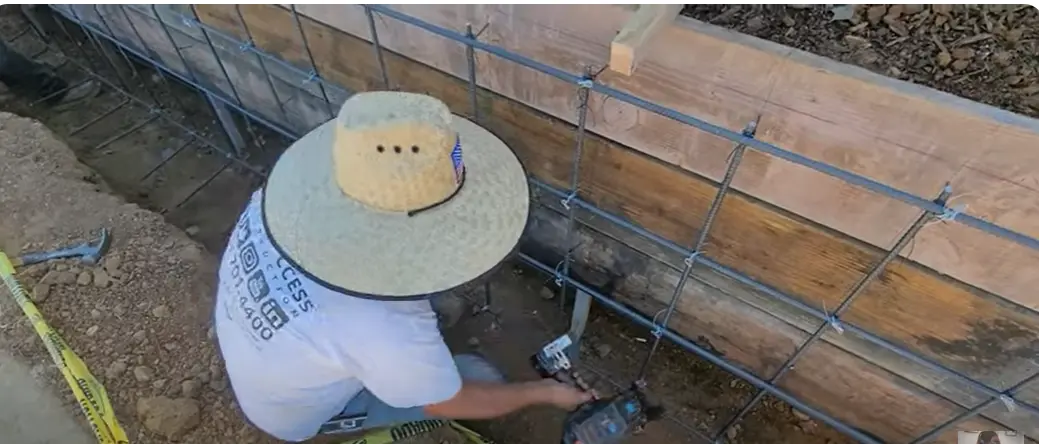
At its heart, a retaining wall’s primary function is to resist the lateral pressure of soil. When a slope is created, gravity constantly pulls the soil downward. Over time, this force, combined with the pressure from water in the soil, can lead to landslides, erosion, and potential damage to nearby structures. A retaining wall acts as a barrier to counteract this natural force, stabilizing the slope and creating a more secure environment.
The size and type of retaining wall you need depend on several factors, including the height of the slope, the type of soil, and the amount of water in the area. While a simple garden wall might be a DIY project, a taller, more substantial wall requires careful engineering to ensure it can withstand the immense pressure it will face.
Types of Retaining Walls
Understanding the different types of retaining walls is the first step in choosing the right one for your project. Each type is designed to handle different levels of soil pressure and serve specific purposes.
Gravity Walls
Gravity walls are the most fundamental type of retaining wall. They rely entirely on their own weight and mass to resist the force of the soil behind them. These walls are typically short and wide, built from heavy materials like natural stone, concrete blocks, or gabion baskets. They are ideal for small scale projects, such as low garden beds or minor landscaping terraces. The key to their stability is a broad, solid base.
Cantilever Walls
For taller, more substantial projects, a cantilever wall is often the solution. Unlike a gravity wall, it uses a thin, vertical stem connected to a large footing. The stem holds back the soil, while the weight of the soil on top of the footing helps to stabilize the entire structure.
Cantilever walls are made from reinforced concrete type and are significantly more efficient than gravity walls for taller applications because they require less material. Their design allows them to resist immense pressure without being excessively thick.
Sheet Pile Walls
Sheet pile walls are typically used in soft soil and confined spaces. They are made from a series of thin sheets of steel, vinyl, or timber that are driven or vibrated deep into the ground. Their stability comes from the embedment of the sheets into the soil below the ground level.
This type of wall is particularly useful in waterfront applications or for temporary excavation support. It is a popular choice where space is limited and an elaborate excavation for a footing is not feasible.
Anchored Walls
Anchored walls are an advanced form of retaining wall used for very tall applications where a cantilever or gravity wall is not practical. They are essentially a cantilever wall with an extra layer of support.
Steel cables, called anchors, are driven into the soil behind the wall and anchored to a stable mass of soil. The anchors provide a counteracting force to the soil pressure, allowing the wall to be thinner and more stable than it could be on its own.
Choosing the Right Materials
The material you choose for your retaining wall affects its strength, cost, and overall aesthetic. Each option has a unique set of pros and cons.
Concrete Blocks
Concrete blocks are a popular choice for their versatility and ease of use. Interlocking block systems are a favorite for DIYers because they do not require mortar and can be stacked like building blocks. They are durable, come in a variety of colors and textures, and are generally more affordable than natural stone.
However, they can sometimes have a manufactured look that does not blend as well with a natural landscape. Alternatives to concrete blocks include natural stone for a more organic feel or poured concrete for a sleek, modern look.
Natural Stone
For a timeless and elegant appearance, natural stone is an excellent option. It offers unmatched durability and a classic look that blends seamlessly with the natural environment. Stone retaining walls are built from large, heavy rocks, either dry stacked or mortared together.
The main downsides are their high cost and the specialized skills required for their installation. Compared to more modular materials like concrete blocks or timber, stone is more challenging to work with, often requiring a professional stone mason.
Timber
Timber retaining walls, typically made from treated lumber, are a budget friendly option that offers a rustic aesthetic. They are relatively easy for a homeowner to install and can be a good choice for short, curved walls. However, they are the least durable option, as the wood is susceptible to rot, insects, and decay over time.
Timber walls will eventually need to be replaced, unlike their stone or concrete counterparts. They offer a more temporary solution compared to the long term stability of materials like concrete and gabion baskets.
Gabion Baskets
Gabion baskets are wire mesh cages filled with rocks, which create a unique and functional retaining wall. Their main advantage is their excellent drainage and flexibility. They can conform to a slope and are not damaged by slight ground movement. The look is more industrial or rustic, which may not suit every landscape design.
They can be a lot of work to fill with stones, but they offer a durable, permeable alternative to a solid concrete or stone wall.
Building a Retaining Wall: The Process
Building a retaining wall is a complex task that requires careful planning and precision. While this guide provides a general overview, it is essential to consult with a qualified engineer or contractor for any wall taller than three feet, as local building codes and soil conditions must be considered for safety.
Step 1: Planning and Permits
Before you even begin to dig, you must check local building codes and regulations. Many areas require a permit for walls over a certain height. An engineer's design is critical for ensuring the wall is safe and structurally sound. This initial step is a non-negotiable part of the process, as it ensures your project is both legal and secure.
Step 2: Site Preparation and Excavation
The foundation of any retaining wall is the most important part. You must excavate a trench that is wider than the wall's base and deep enough to accommodate the base course and a compacted gravel foundation. The trench must be perfectly level and stable to prevent future settling. This is where a builder's eye for detail and precision is absolutely critical.
Step 3: Foundation and Drainage
A compacted gravel foundation, also known as a footer, is poured into the trench. This provides a stable, level base for the wall. Proper drainage is the single most important aspect of a retaining wall's longevity. Without it, water will build up behind the wall, creating immense hydrostatic pressure that can cause it to crack, lean, or fail.
A perforated drainpipe, often called a French drain, should be installed at the base of the wall and covered with drainage gravel. This allows water to be channeled away from the wall.
Step 4: Laying the Wall
Once the foundation and drainage are in place, the first course of blocks or stones is laid, ensuring it is perfectly level. Subsequent courses are stacked, often using pins, mortar, or a batter to create a slight backward slope for added stability. For taller walls, geogrid, a polymer fabric, is laid between courses to tie the wall into the soil behind it, providing additional strength and reinforcement.
Design and Landscaping Integration
A retaining wall is not just a functional structure; it is an opportunity to enhance your landscape's design.
Solving Landscape Challenges
Retaining walls can turn a difficult, sloped yard into a multi tiered oasis. By creating a series of level terraces, you can build usable flat areas for planting, entertaining, or simply walking without a steep incline. A retaining wall can also be used to create raised garden beds, which are easier to maintain and can improve soil quality. They can define different "rooms" in your yard, such as a patio area or a designated play space.
Aesthetic Tips
To make your retaining wall a beautiful feature, consider incorporating curves instead of straight lines. A curving wall can create a more organic feel. Incorporate steps to connect different levels and consider built in seating for a functional design. The choice of material should also complement your home's architecture. For instance, a rustic timber wall might look out of place next to a modern home. Finally, consider planting in and around the wall to soften its appearance and integrate it seamlessly into the surrounding landscape.
Final Considerations and Conclusion
A retaining wall is a significant investment that adds value, safety, and beauty to your property. While this guide provides a wealth of information, remember that for any substantial project, professional expertise is irreplaceable. A qualified engineer can provide a design that accounts for your specific soil conditions and a trusted contractor can ensure the wall is built correctly to last for decades. This is an area where knowledge, experience, and adherence to engineering principles are paramount.
This guide is meant to empower you with the knowledge to make informed decisions. Ready to transform your landscape and solve your slope challenges? The first step is to consult a professional today.