
Concrete has long been valued for its strength, affordability, and versatility. Yet, one of its weaknesses is inevitable: cracks. Whether from shrinkage, freeze-thaw cycles, or heavy loads, cracks compromise durability and lead to costly repairs. That reality may soon change with the development of self-healing concrete. This remarkable material is engineered to repair its own damage, reducing maintenance costs and extending the service life of everything from bridges and highways to homes and office buildings.
Self-healing concrete sits at the forefront of concrete technology, representing one of the most practical advances in modern construction. By using built-in mechanisms that activate automatically when cracks occur, it transforms concrete from a passive building material into one that actively preserves itself.
How Self-Healing Concrete Works
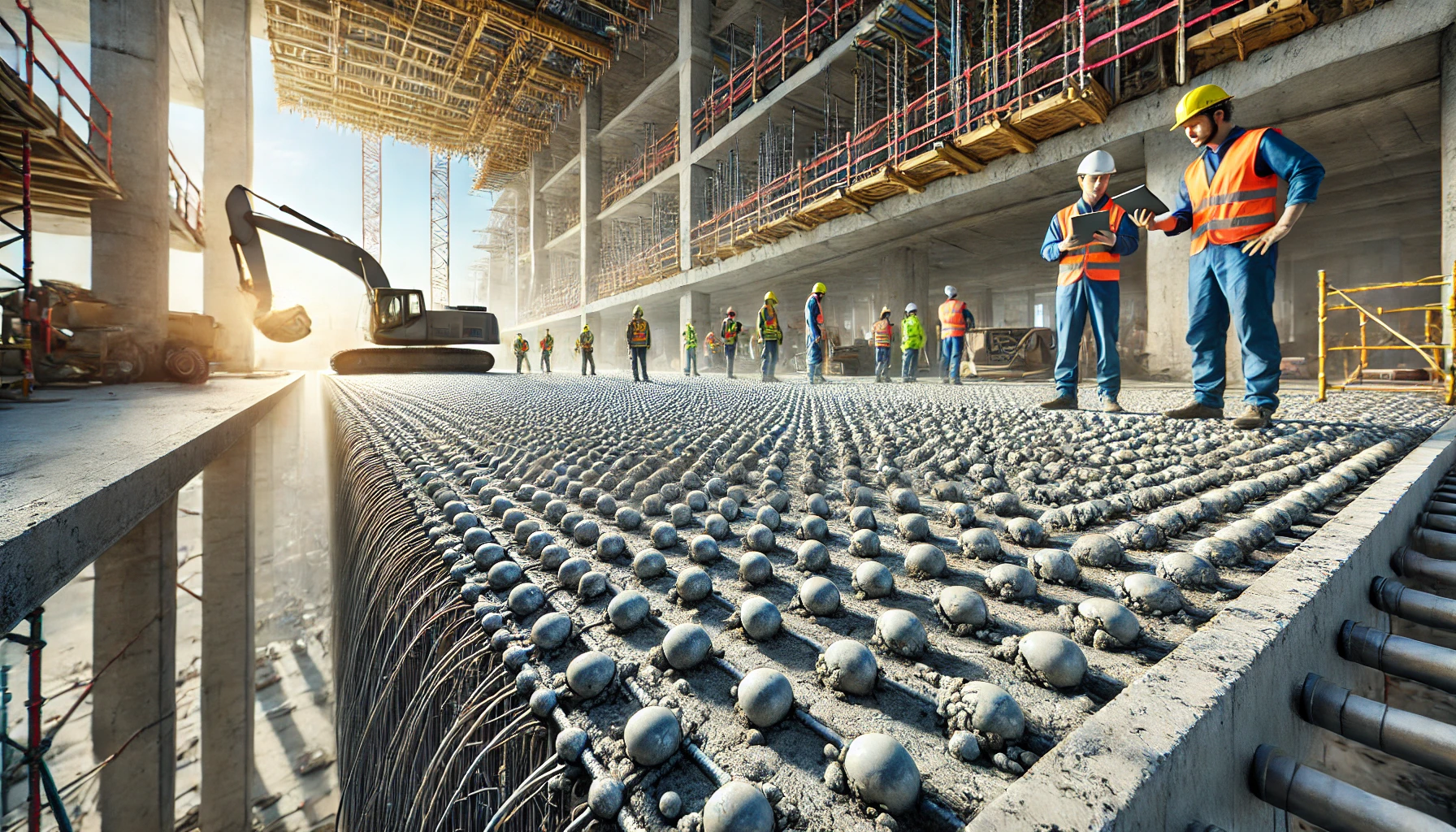
Self-healing concrete incorporates agents or additives that respond when cracks appear. Some of the most promising approaches include:
Bacteria-based healing
This method embeds specific strains of bacteria into the concrete mix. These bacteria remain dormant until cracks allow water and oxygen to enter. Once activated, they consume calcium nutrients included in the mix, producing limestone that fills the crack and restores structural continuity.
Chemical encapsulation
Another strategy involves microcapsules filled with healing agents such as sodium silicate or epoxy. When cracks form, the capsules rupture, releasing the material into the gap where it hardens and seals the damage.
Crystalline admixtures
Certain admixtures react with moisture to form insoluble crystals. These crystals expand within cracks, blocking water ingress and restoring waterproofing.
Each of these mechanisms ensures that damage does not spread unchecked. The result is a material that requires less intervention and significantly reduces the risk of premature deterioration.
Benefits for American Infrastructure
The U.S. faces a well-documented challenge: aging infrastructure. Bridges, roads, tunnels, and buildings require costly repairs year after year. Self-healing concrete could transform this picture in several ways.
Reduced maintenance costs
With built-in crack repair, cities and states can allocate fewer resources to constant patching and resurfacing. Over decades, the savings become substantial.
Extended service life
Critical structures such as highways or parking decks would last longer without the need for frequent interventions. This resilience makes self-healing concrete particularly attractive in heavily trafficked regions.
Improved safety
Cracks are often the starting point for serious issues like rebar corrosion, spalling, or even collapse. Automatic sealing prevents small cracks from evolving into major hazards.
Sustainability gains
Fewer repairs mean less material consumption, reduced waste, and a smaller carbon footprint across the lifecycle of a structure. When paired with fast-curing concrete, projects can achieve both longevity and efficiency.
Applications in Residential and Commercial Construction
Self-healing technology is not just for bridges and highways. It has valuable applications in everyday construction.
Residential driveways and slabs
Homeowners are familiar with the frustration of cracks in garage floors, sidewalks, and patios. A self-healing mix could eliminate the need for repeated patching and resurfacing, saving time and money.
Commercial flooring
Warehouses and retail spaces endure constant traffic from forklifts, carts, and customers. Self-healing properties reduce disruptions by limiting the need for shutdowns and repairs.
High-rise buildings
For developers, durability is a strong selling point. Promoting concrete that resists cracks enhances both property value and investor confidence.
Parking structures
Parking garages are notorious for moisture penetration and chloride damage. Self-healing concrete extends service life and improves safety by closing cracks before water reaches the reinforcement.
Technical Challenges Still to Solve
Like any emerging technology, self-healing concrete comes with challenges that limit widespread use today.
Cost
While prices are falling, self-healing mixes remain more expensive than conventional concrete. The long-term savings often outweigh the upfront costs, but convincing clients requires a shift in perspective.
Scalability
Manufacturing and distributing healing agents at scale remains a logistical hurdle. This is especially true for bacteria-based systems that require careful handling.
Performance variability
Environmental conditions influence how effectively self-healing systems work. For example, bacteria may struggle to activate in very dry climates, while chemical capsules may be less effective in extreme cold.
Code acceptance
Like other innovations in concrete, self-healing mixes must be tested and standardized before becoming part of mainstream building codes in the U.S. Integration with digital workflows, such as those supported by construction software tools, could help track and verify performance.
How Self-Healing Concrete Compares to Traditional Repair
To better understand the impact, consider how self-healing approaches differ from conventional repair strategies.
| Aspect | Traditional Concrete Repair | Self-Healing Concrete |
| Crack Response | Requires manual detection and patching | Automatically activates upon cracking |
| Maintenance Frequency | Recurring, often every few years | Greatly reduced, sometimes negligible |
| Cost Impact | High lifetime costs from repeated repairs | Higher upfront, but lower long-term |
| Risk of Failure | Repairs may miss hidden cracks | Continuous monitoring and response |
| Environmental Impact | Higher material use and carbon footprint | Lower lifecycle footprint |
Opportunities for American Contractors
For businesses like AAA Concreting, self-healing concrete presents new service opportunities.
Pilot programs with municipalities
Partnering on bridge decks, sidewalks, or small infrastructure elements provides real-world testing while showcasing innovation.
Premium offerings for commercial clients
Offering self-healing mixes as an upgrade option allows contractors to differentiate themselves in competitive urban markets.
Educational outreach
Clients often need to understand lifecycle savings before committing. Contractors who provide this education will gain trust and authority.
Integration with other technologies
Pairing self-healing mixes with smart monitoring systems or fast-curing techniques can create a holistic innovation package.
Looking Ahead
The promise of self-healing concrete is undeniable. Researchers are exploring advanced variations such as capsules that respond to multiple triggers, bacteria capable of surviving harsher environments, and hybrid systems that combine several healing methods in one mix.
As technology matures, cost will continue to decline, and American building codes will adapt. The long-term vision is clear: infrastructure and buildings that actively preserve themselves, reducing waste and saving billions in repair costs.
Conclusion
Self-healing concrete represents one of the most practical and forward-thinking advances in construction materials. By addressing one of concrete’s greatest weaknesses—its tendency to crack—it transforms a passive material into an active one. For contractors, developers, and municipalities across the U.S., adopting this innovation means safer structures, lower maintenance costs, and more sustainable cities.