
Water is one of the most persistent threats to a home’s structure. When it is not directed properly, it can erode soil, weaken foundations, and damage outdoor spaces. For homeowners, effective drainage is not just a convenience but a necessity. Concrete drainage solutions are a proven way to manage water safely, ensuring both the house and the surrounding landscape remain secure.
As part of residential concrete projects, drainage features play a vital role. They are often installed alongside driveways, patios, and backyard upgrades to prevent long-term issues caused by standing water. Contractors with experience in concrete work know that good drainage is about planning just as much as construction. It requires understanding the natural slope of the land, the volume of water expected, and the specific needs of the property.
Why Concrete Works for Drainage
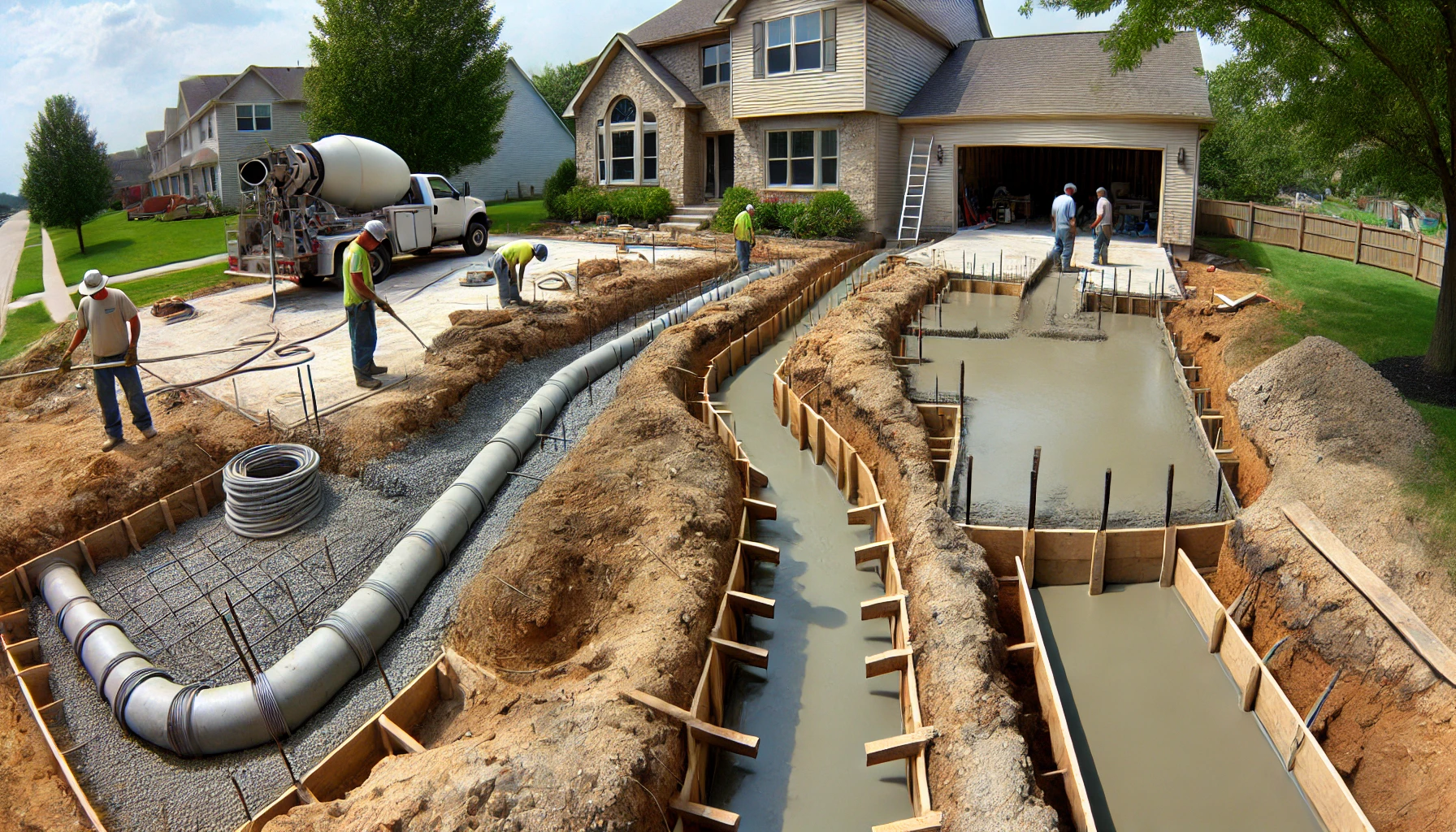
Concrete is one of the most effective materials for building drainage systems. Its strength ensures channels and basins hold up against constant water flow, while its versatility allows it to be shaped into custom systems. Unlike plastic or metal alternatives, concrete does not easily warp or rust, making it a long-term investment for homeowners.
Another key advantage is that concrete can be integrated directly into landscaping and hardscaping designs. A channel drain running along a driveway or patio can blend seamlessly into the concrete surface, preventing water buildup without compromising aesthetics. Contractors often highlight this as a way to combine functionality with style, ensuring the system works without standing out.
The Risks of Poor Drainage
When drainage is ignored, the consequences can be significant. Water pooling around a home may lead to foundation cracks, basement leaks, and erosion of surrounding soil. In outdoor areas, standing water on patios or walkways creates slippery conditions and damages surfaces over time. Garden beds can also become waterlogged, harming plants and reducing usability.
Homeowners sometimes underestimate the long-term costs of these issues. Repairing a damaged foundation or resurfacing a patio affected by water is far more expensive than installing drainage in the first place. This is why professionals stress the importance of addressing water management early in any concrete or landscaping project.
Common Residential Concrete Drainage Solutions
Channel Drains
Channel drains are long, narrow trenches set into concrete surfaces such as driveways or patios. They collect surface water and direct it into underground pipes or designated outlets. Because they are integrated directly into the slab, they are both discreet and effective.
Catch Basins
Installed at low points in a yard, catch basins collect water before it spreads across a property. They are often connected to underground drainage lines that carry water away from the home. Concrete catch basins are durable enough to handle large volumes of water, making them suitable for heavy rainfall areas.
French Drains and Swales
French drains use gravel and perforated pipes to redirect water underground, while swales are shallow, landscaped ditches designed to guide water flow. Concrete can be used to stabilise these systems, adding strength where natural soil may erode.
How Drainage Supports Other Backyard Features
Proper drainage is not an isolated feature. It directly supports the longevity of patios, paths, and outdoor living areas. A concrete patio, for example, may be designed with a slight slope toward a channel drain, ensuring water does not pool and cause staining or cracking. Garden paths also benefit from controlled water movement, preventing mud and erosion along walkways.
Contractors explain that backyard upgrades without drainage often fail prematurely. Even well-built patios or decorative areas lose their appeal when water accumulates on the surface. By planning drainage together with other residential concrete features, homeowners ensure their investment remains functional and attractive for years.
The Role of Professional Expertise
Designing and installing drainage requires both technical skill and local knowledge. Contractors assess soil types, rainfall patterns, and property grading before recommending a solution. A slight error in slope can lead to ineffective drainage, making professional input essential.
Trustworthy professionals also understand building codes and municipal requirements. Improperly directed water can affect neighbouring properties or public systems, creating legal and financial headaches for homeowners. With expert guidance, systems are built to meet regulations while protecting the home.
Maintenance of Concrete Drainage
Concrete drainage systems are low-maintenance but not maintenance-free. Leaves, dirt, and debris can accumulate in channels and basins, blocking water flow. Regular cleaning ensures they continue working as intended. In colder climates, freeze-thaw cycles should also be paid attention, as ice buildup can affect performance.
Cracks or surface damage should be addressed promptly. Over time, even the strongest systems may need attention, and professionalrepair services can restore function quickly. With routine care, most concrete drainage features can last several decades without replacement.
Expert Insights
Industry professionals frequently highlight that drainage is often the most overlooked aspect of home improvement. Homeowners may focus on patios, decorative finishes, or garage floors while forgetting how water impacts them all. Experts note that many repair calls could have been avoided if drainage had been integrated from the start.
Contractors also emphasise that concrete drainage systems are practical and adaptable. They can be designed to fit seamlessly into landscapes, enhancing usability without disrupting appearance. This blend of technical planning and aesthetic consideration makes professional installation valuable.
Conclusion
Concrete drainage is an essential component of residential construction and landscaping. It protects structures, enhances usability, and ensures outdoor features remain safe and attractive over time. With options like channel drains, catch basins, and reinforced swales, homeowners can choose systems that suit their property while benefiting from the durability of concrete. When designed with professional expertise and maintained with care, these systems offer peace of mind and long-term value for any home.