
For many homeowners, concrete has moved beyond its reputation as a purely functional material. With advances in design and finishing techniques, it has become a way to bring style and character to residential spaces. Decorative concrete allows a surface to be both tough and beautiful, adding personality to areas like patios, driveways, and backyards without sacrificing strength or longevity.
As part of wider residential concrete services, decorative work highlights the versatility of the material. Where plain slabs once dominated, today’s projects feature stamped textures, coloured stains, and polished designs that rival stone, tile, or brick. Experienced contractors have refined these methods, ensuring that homeowners get not only visual appeal but also long-lasting performance.
Why Decorative Concrete Has Become So Popular
Concrete is often chosen because of its strength and affordability, but when decorative finishes are added, it becomes a design feature in its own right. A coloured or stamped driveway can transform the look of a property before visitors even reach the front door. A stained patio can turn a backyard into a welcoming retreat, while polished finishes can make garages and interiors look sleek and modern.
Homeowners are also drawn to decorative concrete because of its balance between style and practicality. Unlike natural stone, which is expensive and can shift over time, concrete can be finished to look like stone while remaining stable and cost-effective. Contractors note that advances in staining, sealing, and stamping have expanded the possibilities, making it easier than ever to customise surfaces.
Techniques That Define Decorative Concrete
Stamping and Texturing
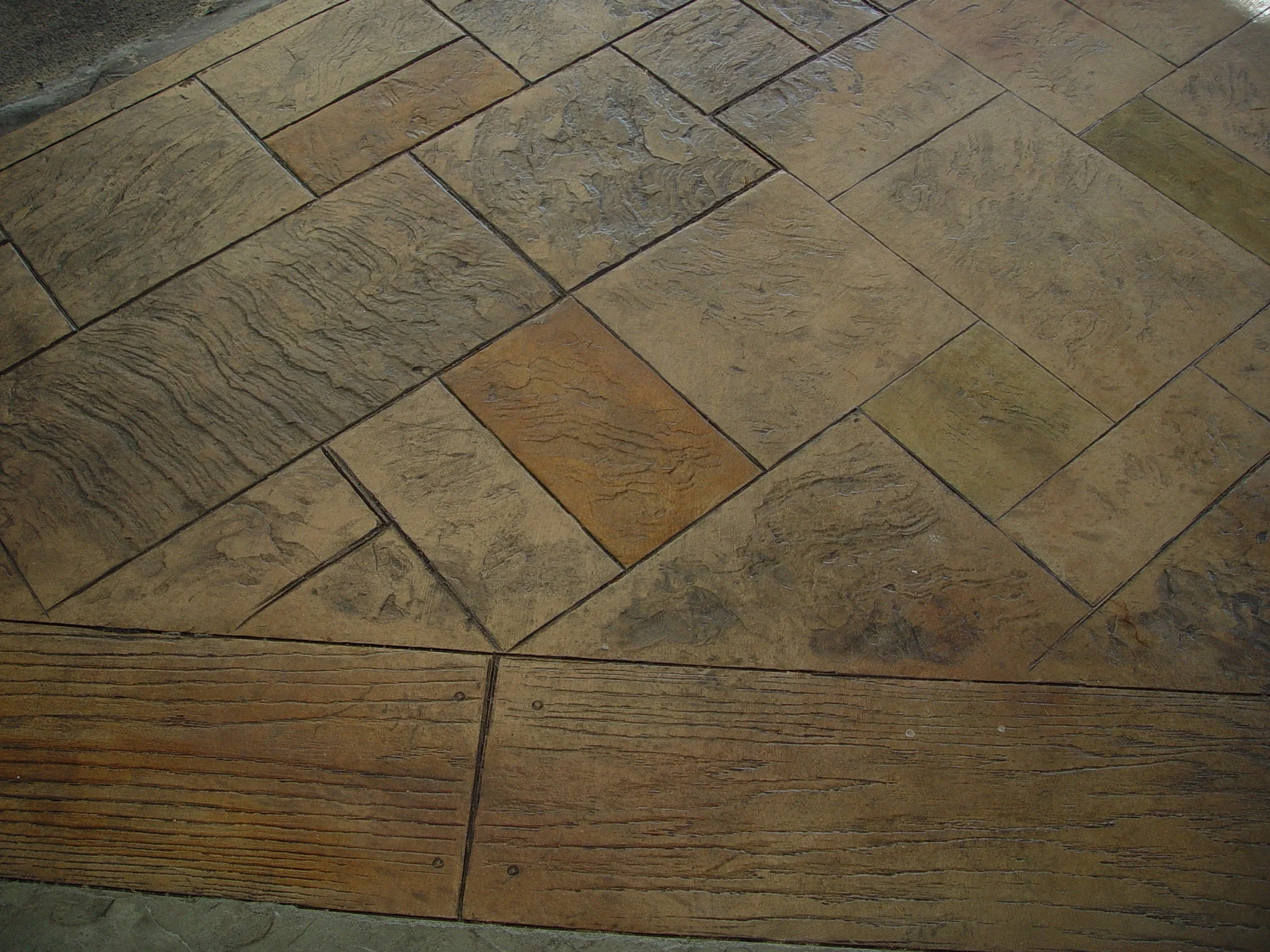
Stamped concrete is one of the most recognised decorative techniques. Moulds are pressed into freshly poured slabs, leaving behind textures that resemble stone, brick, slate, or even wood planks. When combined with colour hardeners or stains, the result is highly realistic. This option is often used for driveways, pool surrounds, and garden paths.
Staining and Colouring
Stains add depth and colour that can range from subtle earth tones to vibrant designs. Acid-based stains chemically react with the concrete, creating unique variations that mimic natural stone. Water-based stains provide more control over colour intensity. These options give homeowners freedom to match the look of their outdoor features to the design of their home.
Polishing and Sealing
Polished concrete, achieved by grinding the surface with specialised equipment, creates a smooth, reflective finish. Sealing enhances colour and protects against moisture, stains, and wear. Contractors with experience in these methods ensure the final surface not only looks good but also resists the challenges of daily use.
Decorative Concrete in Outdoor Spaces
Patios are among the most popular applications for decorative finishes. A stamped or stained patio provides both comfort and beauty, making outdoor gatherings more enjoyable. Unlike timber decks, which require regular painting and replacement, decorative concrete patios stay strong with minimal maintenance.
Driveways also benefit greatly from decorative touches. Instead of plain grey slabs, homeowners can choose surfaces that resemble cobblestone or slate, boosting curb appeal. This not only improves the home’s appearance but also adds value in the eyes of potential buyers. Contractors often explain that a driveway is one of the first impressions a property makes, and decorative concrete ensures that impression is both polished and practical.
Decorative Concrete for Backyards and Landscaping
Concrete is highly adaptable to landscaping projects. It can be poured into curved shapes for garden borders, used to create textured walkways, or applied to seating and retaining walls. A fire pit with a stamped or coloured surround becomes both a focal point and a durable feature that will withstand years of use.
Homeowners increasingly want outdoor spaces that serve as extensions of their living areas. Decorative concrete delivers on this trend by providing a surface that looks as stylish as it is functional. With proper installation, these features withstand weather, foot traffic, and time while still offering a tailored, attractive appearance.
The Importance of Drainage in Decorative Projects
Even the most beautiful surface needs to be backed by good planning. Water that pools on a patio or driveway can erode finishes, cause cracking, and diminish the surface’s appeal. For this reason, drainage is often considered alongside decorative work. Slabs may be graded to move water away from the home, or special systems may be installed to handle heavy rainfall.
Professional contractors often recommend consulting experts in concrete drainage when decorative surfaces are being planned. The combination of design expertise and technical drainage solutions ensures the finished surface stays beautiful and functional for decades. This highlights the importance of not just how the concrete looks but how it performs in real-world conditions.
Caring for Decorative Concrete
Maintenance plays a major role in keeping decorative surfaces looking their best. Sealing is one of the most important steps, as it preserves colour vibrancy, prevents stains, and protects against moisture intrusion. Resealing every few years helps maintain a polished appearance and ensures long-term durability.
Small cracks or chips should not be ignored, as they can spread quickly. This is where professional repair services make a difference. Skilled contractors can restore damaged decorative surfaces so they remain attractive and functional. Homeowners who keep up with these small repairs often extend the lifespan of their decorative features by decades.
Expert Insights on Decorative Concrete
Industry professionals often note that decorative work is where craftsmanship and creativity meet. A well-executed stamped patio can rival the beauty of natural stone, while a polished driveway can give a property a modern edge. However, they also stress that success depends on both design choices and technical execution. Improper curing, poor drainage, or skipped sealing can compromise even the most beautiful designs.
Contractors also explain that decorative projects must be tailored to the homeowner’s lifestyle. A busy family might prefer durable stamped surfaces with slip resistance, while someone interested in design might choose polished or stained options for maximum aesthetic impact. These insights reflect the importance of experience and expertise in creating results that match both vision and practicality.
Conclusion
Decorative concrete shows how far the material has come from its plain, utilitarian roots. By incorporating stamping, staining, polishing, and sealing, it offers homeowners endless possibilities for enhancing both outdoor and indoor spaces. With the right design, proper drainage planning, and timely repairs, decorative surfaces can remain stunning and functional for decades. For families looking to combine durability with style, decorative concrete continues to stand out as one of the best choices in residential construction.