
The Material Decision That Shapes Everything
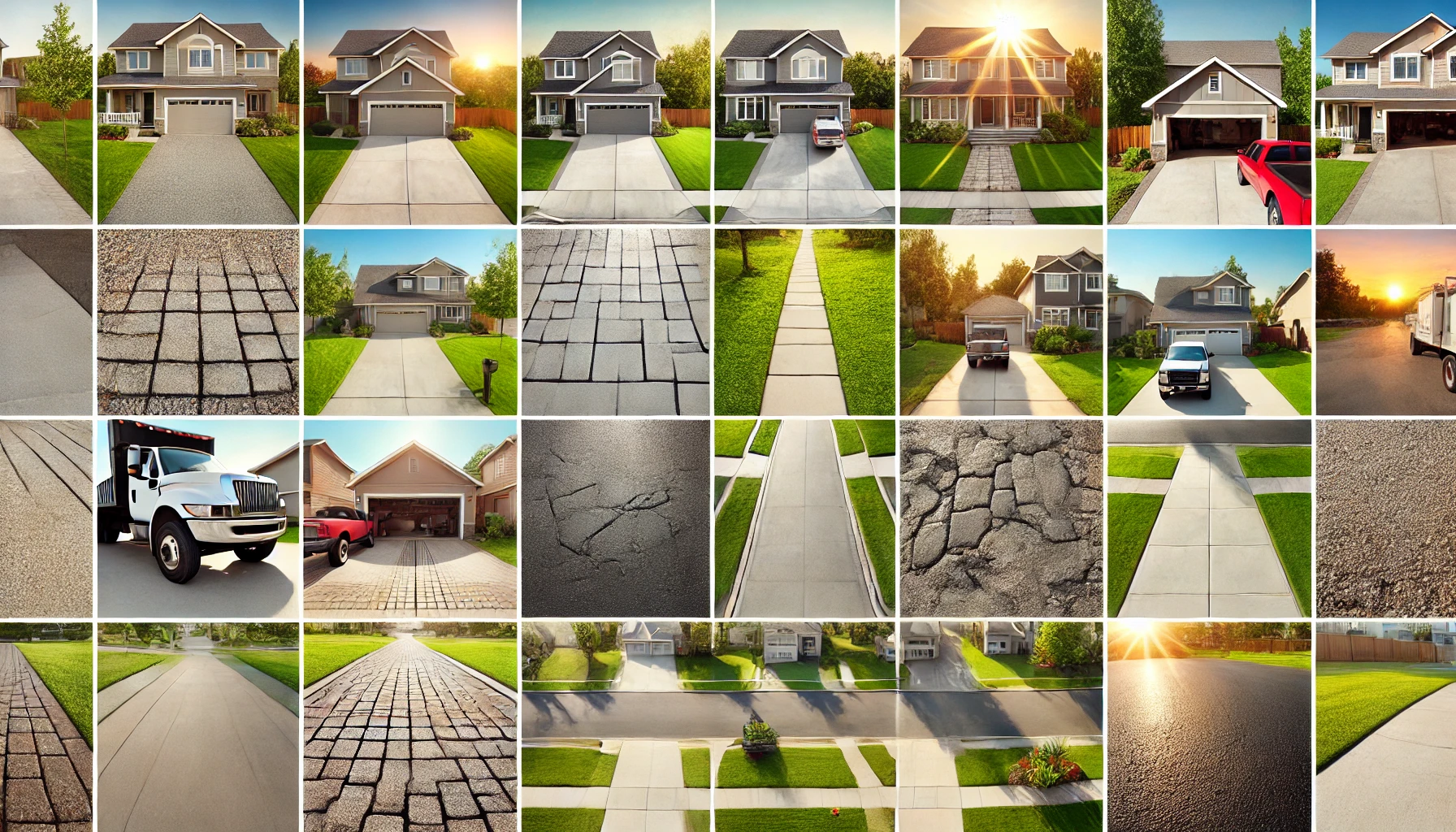
Choosing between concrete and asphalt is one of the most important decisions you’ll make when installing or replacing a surface. Whether it’s a driveway, parking lot, footpath, or loading zone, your material choice will impact how the surface performs, looks, ages, and costs over time.
Both materials are popular for good reason. Concrete offers long-term durability, design flexibility, and strength. Asphalt is faster to install and often cheaper up front. But the differences go deeper than surface level.
This article walks you through the key factors that matter when comparing asphalt and concrete. From installation timelines and maintenance needs to weather resistance and aesthetic options, you'll gain the clarity needed to make a confident choice. This comparison also builds on core principles found throughout our concrete education series, helping you invest wisely from the start.
Installation and Project Timelines
Let’s start with one of the most practical considerations: how long it takes to install each surface. Asphalt is typically faster to lay and cure. Once applied, it cools and hardens enough for light use in as little as 24 to 48 hours. For projects with tight deadlines or short weather windows, this speed can be a significant advantage.
Concrete takes longer. A full pour must cure properly to develop its strength, which means no heavy traffic for at least seven days, and ideally up to a month for full load-bearing capacity. But what you gain in patience often pays off in longevity and reduced future repairs.
Understanding project timelines allows you to plan around curing periods, contractor availability, and seasonal constraints. While asphalt wins in speed, concrete may be the better option if your schedule allows for a longer installation process with greater long-term payoff.
Cost Comparison: Initial vs Lifetime
Asphalt generally has a lower upfront cost. This is why it’s widely used in large-scale projects like roads, highways, and commercial parking lots. The materials and labor are cheaper, and its faster install time reduces the hours you’re paying for contractors.
Concrete, on the other hand, is more expensive to install. But the longer lifespan and reduced need for frequent maintenance can balance out that cost over time. In many residential settings, concrete proves to be a better long-term investment, especially when aesthetics and durability are priorities.
It’s important to think in terms of total lifecycle costs. While asphalt might save you money on day one, concrete often saves you money over a span of 20 to 30 years. If you plan to stay in the property long-term or want a surface that holds up better under pressure, concrete can be the more economical choice in the end.
Durability and Performance Over Time
When comparing performance, it depends on how the surface will be used. Asphalt is a flexible material, which allows it to expand and contract with temperature shifts. This makes it a good option in colder climates where freeze-thaw cycles are common. However, that flexibility comes at the cost of longevity. Asphalt softens in high heat, degrades under heavy loads, and generally needs resurfacing every 10 to 15 years.
Concrete is more rigid and better suited to support heavier vehicles and constant use. It does not soften in hot weather and can last 30 years or more with proper care. However, concrete is more susceptible to cracking in freeze-thaw conditions if drainage is poor or joints are improperly placed.
This is where site prep and installation quality make a huge difference. Many people assume concrete will always crack or that asphalt is naturally lower quality. But debunking persistent concrete myths reveals that with proper design and execution, both materials can perform exceptionally well in the right setting.
Maintenance Requirements
Maintenance is where the difference between the two materials becomes very clear. Asphalt requires regular attention to stay in good condition. Every few years, it needs to be resealed to protect against water, UV exposure, and oil spills. Cracks and potholes are common and must be filled promptly to prevent further damage.
Concrete requires less frequent maintenance. Sealing is optional but beneficial, especially in high-use or decorative applications. Cracks should be monitored and filled if needed, but concrete surfaces tend to remain stable longer without intensive upkeep.
If you prefer a hands-off approach, concrete offers a clear advantage. But if budget constraints are tighter at the beginning and you’re willing to stay on top of resealing and patching, asphalt can still be a practical option.
Aesthetics and Design Possibilities
For many homeowners and commercial property owners, appearance is just as important as performance. Asphalt has a clean, black look when freshly laid, but it fades to grey over time. While its appearance is uniform, it’s not particularly versatile from a design standpoint.
Concrete shines when it comes to customisation. It can be stamped, stained, textured, or coloured to match nearly any design style. You can mimic the look of stone, brick, or tile while still getting the strength of a poured slab. This makes concrete a favourite for high-end homes, patios, pool decks, and commercial entrances where aesthetics matter.
If design flexibility is a top priority, concrete easily outpaces asphalt. However, if you're looking for a simple, no-frills option that blends into a utilitarian space, asphalt may suit your needs just fine.
Climate and Environmental Considerations
Your local climate plays a major role in determining which material will perform better. Asphalt is more flexible and can handle freezing temperatures well, but it may deform in high heat. It also absorbs more sunlight, which can contribute to heat island effects in urban areas.
Concrete reflects more light and stays cooler in the summer, making it more pedestrian-friendly. However, if not installed with proper jointing and drainage, concrete can crack in regions with wide temperature swings or heavy snow.
Environmental impact is also worth noting. Asphalt is petroleum-based, but many modern mixes incorporate recycled materials. Concrete has a higher carbon footprint during production but offers a longer lifespan. Your choice can reflect broader values about sustainability and long-term planning.
Noise and Comfort Factors
The noise level created by different materials often goes unnoticed until you experience it firsthand. Asphalt provides a quieter, smoother ride. This is one reason it’s used for highways and residential roads. The softer material absorbs sound and reduces tire friction noise.
Concrete is louder to drive and walk on, especially when dry or in older installations. However, newer mixes and surface treatments can help reduce noise levels. For foot traffic or bicycles, textured concrete can also improve traction while moderating the harshness of footsteps.
Comfort can extend beyond sound. Asphalt surfaces tend to feel softer underfoot, which some people prefer for walking or sports use. Concrete offers more rigidity, but its visual temperature and clean look often make it more appealing for outdoor living areas.
Repair Options and Downtime
Eventually, both surfaces will require repair. Asphalt is easier to patch, which is ideal for roads and commercial areas that can’t afford long downtime. Cold patch and hot mix applications allow for quick, cost-effective fixes.
Concrete repairs are more involved. A cracked slab usually requires saw-cutting and removal, followed by a re-pour that must cure. The process is slower and more expensive, but it can produce a seamless, permanent result.
When deciding between the two, consider how often repairs will be needed and whether you can live with occasional downtime. In high-traffic or time-sensitive environments, asphalt’s faster repair cycle might outweigh its shorter lifespan.
DIY Feasibility
For homeowners considering their own installation or repair, asphalt may seem more approachable. Cold patching, sealing, and even small-scale resurfacing are often within reach for confident DIYers. The tools and materials are accessible, and the skill curve is moderate.
Concrete, however, presents more challenges. Pouring even a small slab requires careful attention to formwork, mixing, placement, and curing. Mistakes are harder to fix and more visible. That’s why understanding the limits of DIY vs professional work is essential before deciding to tackle either material on your own.
Even if you plan to hire out the work, knowing what can realistically be handled without help will help you set expectations and allocate your budget more effectively.
Long-Term Use and Property Value
When evaluating long-term use, think about how each material contributes to curb appeal and property value. Concrete adds a sense of permanence and quality, especially when decorative finishes are used. It complements landscaping and architectural design, making it a smart investment for homeowners looking to increase resale value.
Asphalt does not typically boost visual appeal in the same way, but it can still add function and order to a space. A well-maintained asphalt driveway or parking lot signals care and attention to visitors or buyers.
If you’re building for resale or planning to live with the surface for decades, concrete generally delivers a better return. If your goals are more short-term or functionality-focused, asphalt remains a dependable, budget-friendly option.
Final Thoughts: Which Material Is Right for You?
There is no one-size-fits-all answer in the concrete vs asphalt debate. Your decision should reflect your project’s unique requirements, including location, timeline, usage, aesthetics, budget, and maintenance preferences.
If you prioritise speed and cost, asphalt delivers. If you want durability, design flexibility, and lower long-term upkeep, concrete is the stronger candidate. In some cases, you may even find a combination of both materials makes sense, such as using concrete for edges or aprons and asphalt for the main surface.
Every project is different. But by leaning on real-world performance, dispelling assumptions, planning your timeline, and understanding when to bring in a professional, you’ll make a decision that stands the test of time.