
Backyards have become central to how families live, entertain, and relax at home. From barbecues and birthday parties to quiet evenings with a book, the outdoor space is often as important as the living room. The right surfaces and structures make these experiences more enjoyable and easier to maintain. Concrete has emerged as a material of choice for homeowners who want to balance beauty, durability, and affordability in their backyards.
As part of broader residential concrete services, backyard features showcase how versatile concrete can be. It is not limited to flat driveways or garage floors. Instead, it can be shaped into patios, garden paths, fire pits, seating, and even decorative landscaping elements. Contractors with years of experience have consistently shown that well-planned backyard concrete adds both lifestyle benefits and property value, making it one of the smartest investments for homeowners.
Why Concrete Is Perfect for Backyard Features
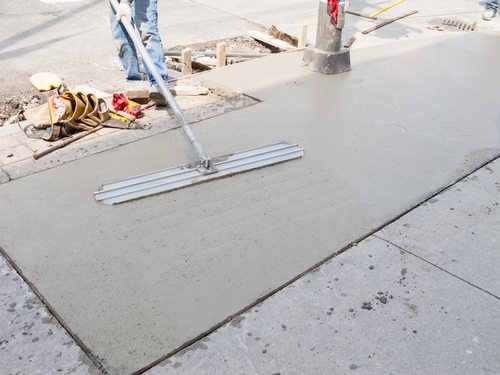
Concrete is often chosen for backyards because it performs well under varying conditions. Unlike timber, which can rot or warp, and stone, which may shift or loosen, concrete holds its structure for decades. A properly poured slab or pathway can withstand rain, heat, and heavy use without constant repairs. This resilience makes it particularly appealing in areas where seasons bring both hot summers and wet winters.
Another advantage is design flexibility. Concrete can be poured into virtually any shape, allowing homeowners to create curved patios, winding garden paths, or custom-built seating. It can also be finished in a variety of ways, from smooth polished surfaces to textured finishes that resemble natural stone. This ability to combine strength with style ensures backyard projects are not only functional but also visually appealing.
Patios as the Heart of the Backyard
A concrete patio often becomes the centrepiece of an outdoor living space. It provides a sturdy foundation for furniture, barbecues, and gatherings, and it can be designed to complement the architecture of the home. Unlike timber decking, which requires frequent staining or replacement, a concrete patio remains low-maintenance while offering decades of reliable use.
Contractors emphasise that patios can also be customised through colour stains, stamping, or decorative scoring. These methods transform a plain surface into one that looks like brick, slate, or tile at a fraction of the cost. Many homeowners find this appealing because it delivers the aesthetic of high-end materials without the upkeep or expense. A patio designed this way makes the backyard not just functional but inviting, encouraging families to spend more time outdoors.
Walkways and Garden Paths
Concrete walkways provide both function and beauty. A well-placed path guides movement through the garden, protects lawn areas from foot traffic, and connects spaces such as patios, sheds, and play areas. Because concrete can be poured in curves and patterns, it blends naturally into landscaping while remaining strong and slip-resistant.
Compared to alternatives like gravel or pavers, concrete paths are easier to maintain and far more stable. They do not shift underfoot, and when finished with a textured surface, they offer traction in wet conditions. Contractors often recommend them for households that want durability without sacrificing design. When paired with other backyard improvements, such as garage floors for utility or decorative features for style, walkways become part of a cohesive home improvement plan.
Fire Pits, Seating, and Custom Features
Backyards are not just about patios and paths. Concrete can also be used to create permanent seating, outdoor counters, or custom-built fire pits. These features add comfort and usability, allowing the backyard to function as an extension of the home’s living space. A built-in concrete bench, for example, can define a gathering area while withstanding the elements year after year.
Fire pits are particularly popular because of their ability to extend the use of outdoor spaces into cooler months. Unlike portable options, a concrete fire pit is durable, stable, and can be shaped to match the design of the patio. This adds both a focal point and a practical feature that families and guests can enjoy. Such projects highlight concrete’s adaptability and its ability to balance utility with lifestyle benefits.
Decorative Options for Outdoor Appeal
Backyard features can be elevated through decorative finishes that go beyond simple functionality. Concrete can be stamped to replicate stone or brick, stained for vibrant colour, or polished for a sleek appearance. These treatments make outdoor areas feel customised rather than generic, creating a space that matches the style of the home and the personality of the owner.
Contractors often integrate these decorative touches into larger projects. A homeowner who invests in decorative concrete patios may also use the same techniques for backyard seating areas or fire pit surrounds, ensuring a cohesive design. This level of detail not only improves the look of the property but also increases its resale value, as outdoor spaces have become highly desirable features for buyers.
The Role of Drainage in Backyard Projects
Even the most beautifully designed backyard features can fail if drainage is not addressed. Water pooling on patios or around fire pits leads to erosion, cracking, and structural damage over time. Proper grading and drainage solutions are essential to protect the investment and maintain usability.
Concrete is especially well-suited to work in tandem with drainage systems. Slabs can be slightly sloped to direct water away from the house, while channels or permeable areas can be built into the design. Homeowners often consult professionals with expertise in concrete drainage to ensure long-term stability. These solutions demonstrate how careful planning and technical know-how are just as important as aesthetics in residential projects.
Maintenance and Care of Backyard Features
Backyard concrete features are relatively low-maintenance compared to timber decks or paver systems, but they do require some care. Sealing is often recommended every few years to protect against moisture, stains, and colour fading. Regular cleaning helps prevent buildup of dirt or algae, especially in shaded or damp areas.
Small cracks or chips should be repaired quickly to prevent them from worsening. This is where professional repair services can help. Contractors experienced in concrete maintenance can restore damaged areas efficiently, extending the life of patios, paths, or seating. By staying proactive, homeowners ensure their backyard remains both beautiful and functional over time.
Expert Insights from the Field
Contractors with decades of experience consistently highlight the value of concrete in backyards. They explain that while other materials may look appealing initially, few can match concrete’s combination of strength, affordability, and adaptability. They also stress that design planning is crucial. Choosing the right finish, slope, and reinforcement means the difference between a feature that lasts five years and one that lasts fifty.
Trustworthy contractors also point out that backyards are increasingly viewed as living spaces rather than separate areas. This trend has driven demand for polished and decorative finishes, as well as integrated drainage systems. Their professional advice helps homeowners balance creativity with practicality, ensuring backyard projects succeed in both appearance and performance.
Conclusion
Concrete backyard features combine functionality with lasting beauty. From patios and pathways to fire pits and seating, they allow homeowners to create spaces that are durable, low-maintenance, and perfectly suited to modern lifestyles. When properly planned and installed, these features enhance daily living, support outdoor entertaining, and add significant value to the home.