
A garage floor is one of the most important surfaces in any home, yet it is often overlooked until problems arise. Unlike a living room or kitchen floor, it is constantly exposed to pressure from vehicles, foot traffic, tools, and chemicals. This makes strength, design, and maintenance critical considerations for homeowners who want a garage that is both functional and appealing.
Within the scope of residential concrete, garage floors are unique because they must serve as both a foundation and a finished surface. Whether you are parking your car, using the garage as a workspace, or transforming it into a multipurpose extension of your home, the right floor can dramatically improve the overall experience. Contractors with decades of expertise stress that a poorly installed garage slab will reveal weaknesses quickly, while a well-prepared and properly finished floor can last for decades without issue.
Why Concrete Works Best for Garage Floors
Superior Strength
The garage floor bears one of the heaviest loads in the home. Vehicles, storage systems, and equipment can put enormous pressure on a slab. Concrete is chosen because of its compressive strength, which allows it to handle heavy weight without warping, buckling, or losing form. Reinforced concrete takes this a step further by distributing stress across steel mesh or rebar.
Long-Term Performance
When maintained properly, a concrete garage floor can last several decades. Unlike timber or vinyl, it is not susceptible to rot or warping from moisture. Compared to tiles, it does not crack under vehicle loads. This longevity makes it a reliable and cost-effective option for homeowners planning long-term property investments.
Flexibility in Design
Concrete does not have to remain a dull grey slab. It can be polished, stained, sealed, or coated with epoxy to create surfaces that are both stylish and functional. The range of finishes means the garage can be customised to match the design of the home or to suit practical needs.
Common Finishes for Garage Floors
Sealed Surfaces
Sealers provide a protective coat that repels moisture, oil, and stains. Clear sealers allow the natural concrete look to shine through, while tinted options can add colour. Sealed floors are often the most economical option, giving homeowners solid protection without significant expense.
Epoxy and Polyurea Coatings
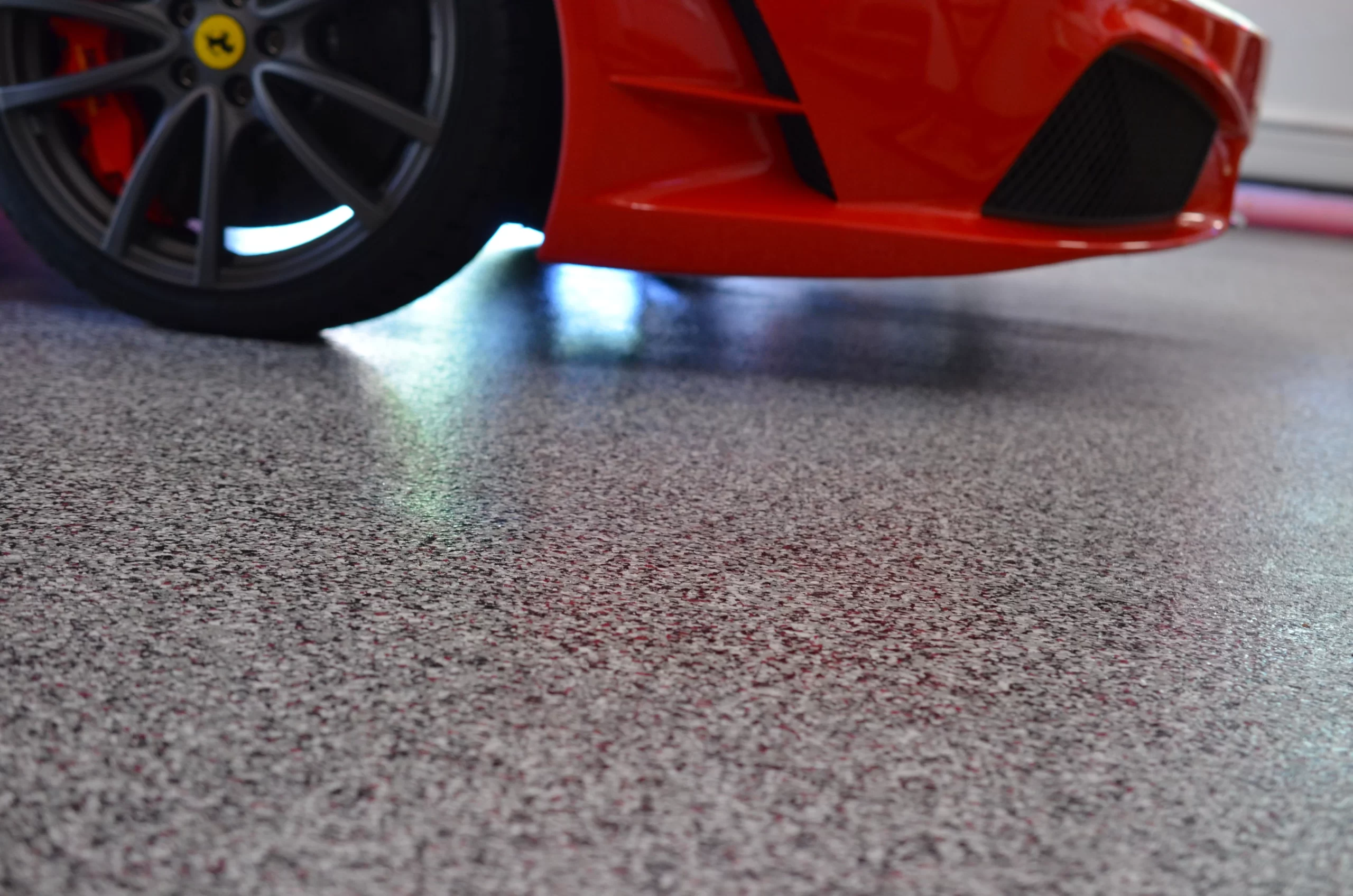
Epoxy has become a go-to choice for many homeowners because it is extremely durable and resistant to chemicals. Polyurea, a newer alternative, offers similar benefits but with even greater resistance to abrasion. These coatings are ideal for garages that double as workshops, since they can handle spills, tools, and heavy traffic. Contractors emphasise that preparation is everything. Grinding, cleaning, and repairing before application ensures the coating bonds properly and lasts as intended.
Polished Concrete
Polished finishes are gaining popularity as homeowners reimagine garages as more than storage areas. By grinding and polishing, the surface becomes sleek, reflective, and dust-free. It is low-maintenance and ideal for spaces that also serve as gyms, studios, or entertainment zones.
Decorative Options
While less common in garages, decorative finishes can be used for homeowners who see their garage as an extension of living space. The same techniques applied to decorative concrete patios can be adapted indoors, such as staining or scored designs. These bring an aesthetic dimension to what was traditionally a purely functional area.
Installation Matters
The difference between a garage floor that lasts decades and one that fails within a few years often comes down to installation.
Subgrade Preparation
The soil beneath the slab must be compacted properly to prevent settling. A poorly prepared subgrade can lead to cracks and uneven surfaces within months. Contractors know this stage cannot be rushed if the slab is to perform over time.
Reinforcement and Thickness
Steel mesh or rebar reinforcement helps distribute stress across the slab. Thickness also plays a key role. Residential garages typically require a slab at least four inches thick, with heavier reinforcement for larger vehicles.
Timing of Finishes
Whether the slab is sealed, polished, or coated, timing is crucial. Applying finishes before the slab cures fully can compromise performance. Applying them too late may prevent proper bonding. Professional contractors adjust their process depending on weather, curing speed, and project requirements.
Maintenance for Longevity
Garage floors are often exposed to harsh conditions, but with the right care, they remain durable and attractive.
- Cleaning: Regular sweeping and occasional washing prevent grit from wearing down the surface.
- Sealing: Every few years, resealing protects against stains and moisture.
- Inspection: Small cracks, if noticed early, can be repaired before they expand.
- Moisture Control: In some garages, water intrusion becomes an issue. Solutions like concrete drainage can redirect water away, ensuring the slab remains stable and dry.
Common Issues and Solutions
Cracking
All concrete is prone to cracking, but controlled joints and reinforcement reduce the severity. Cracks that do appear can be filled or sealed quickly.
Surface Dusting
Unfinished concrete may produce dust. This can be resolved with densifiers, polishing, or sealing.
Stains
Oil and chemical stains are common in garages. Epoxy coatings or sealers prevent absorption, while professional cleaning services can treat existing stains.
Repairs
If damage does occur, professional repair services can restore the slab. Resurfacing, patching, or recoating allow floors to regain strength and appearance without full replacement.
How Garage Floors Fit into the Home
Modern garages are evolving into multipurpose spaces. Some serve as workshops or hobby areas, others double as home gyms, and many are integrated into larger home improvement projects. Homeowners often coordinate garage upgrades with backyard features like patios or outdoor kitchens, creating continuity between indoor and outdoor living areas. In this way, the garage floor is no longer an isolated slab but part of a bigger vision for the property.
Expert Insights
Contractors often remind homeowners that the garage is where shortcuts show fastest. A slab that is too thin or improperly finished will not survive years of vehicle weight, chemical spills, and seasonal changes. Investing in professional installation pays off by avoiding costly repairs later.
Industry experience also highlights the importance of preparation. Inadequate cleaning before applying epoxy, for instance, is one of the leading causes of peeling and failure. Trusted professionals take the time to grind, clean, and moisture-test slabs to ensure coatings bond correctly.
Design Trends in Garage Floors
Garages are increasingly seen as extensions of the home. With this shift, design trends are emerging.
- Epoxy with Colour Chips: Adds visual texture and improves traction.
- Polished Grey Floors: Minimalist and modern, fitting contemporary homes.
- Hybrid Spaces: Combining polished concrete with decorative scoring or staining to match nearby living areas.
These design choices allow homeowners to transform the garage into more than a storage area, making it a true part of the home’s lifestyle spaces.
Conclusion
A garage floor is more than just a slab of concrete. It is a foundation that must deliver strength, safety, and long-term performance while also adapting to the homeowner’s design goals. With finishes ranging from sealers and epoxy to polished surfaces and decorative options, there is no shortage of ways to create a garage that is both durable and stylish. Professional installation and proper care ensure the floor not only withstands daily use but also adds value to the home for years to come.