
Concrete damage is inevitable. Over time, cracks, chips, stains, and settling occur—even with professional installation. The question is not if your concrete will need attention, but when. And once it does, the choice between repairing and replacing becomes crucial.
It’s not just about cost. Your decision affects long-term safety, property value, maintenance needs, and appearance. This guide covers every factor you should consider, drawing on practical experience and the core principles of concrete construction. Whether you’re dealing with a hairline crack or a crumbling slab, you’ll walk away knowing the smartest path forward.
Assessing the Extent of Damage
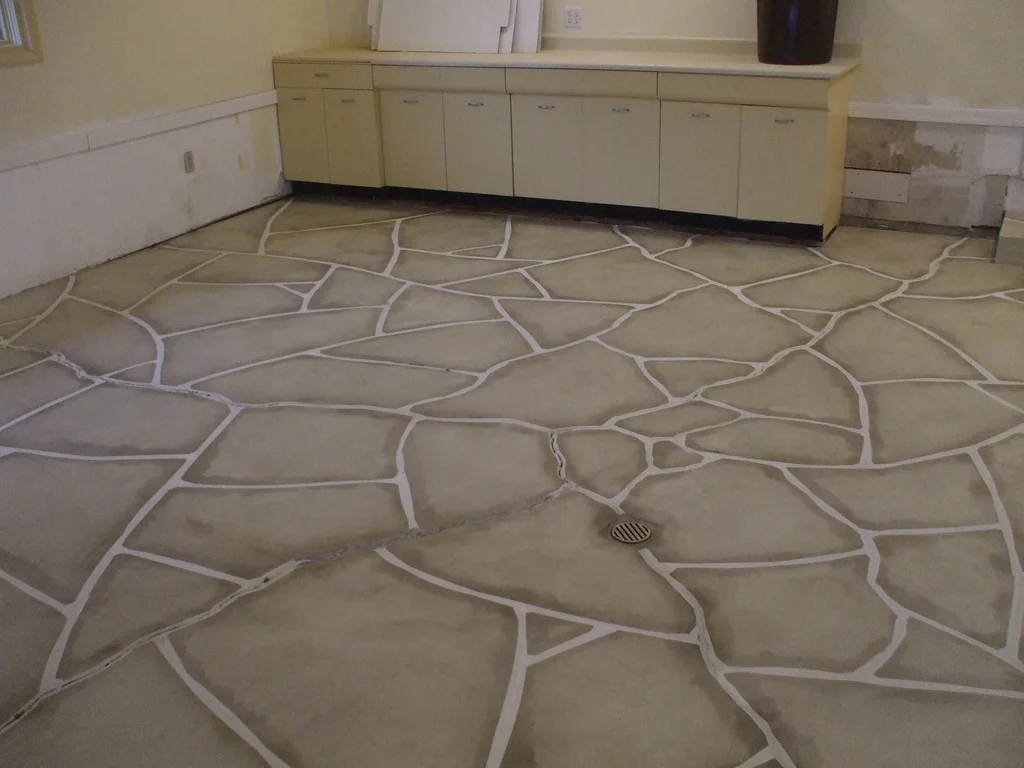
The first step is understanding what kind of damage you’re facing. Not all cracks mean trouble. Fine surface cracks caused by shrinkage or temperature shifts can often be repaired quickly. Spalling, discoloration, and surface wear also tend to fall into the repairable category, especially when the underlying base is still solid.
Deeper, wider cracks, uneven surfaces, or sunken sections suggest foundational problems. These issues often stem from soil instability, poor compaction, or water intrusion. In those cases, repairing the surface would be like repainting rotted wood—it looks better briefly but fails soon after. Full replacement is typically the more effective solution, giving you a clean slate and the opportunity to correct what went wrong underneath.
One overlooked part of this assessment is what lies below. Poor drainage or shifting soil can lead to repeat damage unless addressed during the repair or rebuild. A proper inspection should evaluate both the visible and invisible conditions at play.
Comparing Costs with Long-Term Value
Cost plays a big role in decision-making. Repairs are appealing because they’re faster and cheaper. You can patch cracks, resurface slabs, and seal problem areas at a fraction of what it would cost to tear out and re-pour the concrete. In areas with light use—such as backyard patios or low-traffic paths—this may be all you need.
But repairs don’t last forever. If the damage recurs or worsens, the money you saved can be lost in repeat service calls or aesthetic degradation. Worse, delaying a necessary replacement could lead to safety issues, especially in high-use areas. That’s why replacement often proves more cost-effective over the long run, despite the higher upfront spend.
Switching materials is another angle. You may wonder whether replacing the slab with asphalt would save money. But material choice should reflect long-term needs. While asphalt can be cheaper initially, our comparison of concrete vs asphalt shows concrete typically performs better for durability, aesthetics, and lifespan. It requires less maintenance and holds up better under pressure—literally and figuratively.
Understanding Project Timelines
Beyond budget, you also need to consider time. Repairs are often completed in just a day or two. Crack sealing and resurfacing can be done quickly, allowing you to resume use almost immediately. That makes them ideal for last-minute fixes or short weather windows.
Replacements take longer. You’ll need to account for demolition, removal, base prep, forming, pouring, curing, and finishing. Depending on the size of the project, weather conditions, and complexity, the full process may stretch over one to two weeks. If you’re juggling contractors, scheduling access, or trying to meet a deadline, this can affect your choice.
Managing expectations starts with understanding the full scope of work. Our breakdown of project timelines helps you anticipate how long each phase of a concrete job may take, whether you’re patching a small area or starting from scratch. Knowing the schedule allows you to plan other tasks around it and avoid costly delays.
DIY vs Professional: What Should You Tackle Yourself?
It’s easy to assume you can fix minor concrete damage on your own. And in some cases, you can. Hairline cracks, small chips, and cosmetic issues can often be patched with DIY products from your local hardware store. Resurfacing kits are available for worn but stable slabs, and basic sealers require minimal tools.
However, larger repairs quickly cross into professional territory. When you’re dealing with structural damage, poor drainage, or slab movement, mistakes can make the problem worse—or even create a hazard. These situations often call for tools, experience, and techniques that homeowners simply don’t have.
The decision is not about pride or budget—it’s about outcomes. If you’re unsure where to draw the line, comparing DIY vs professional concrete work will help you understand when hiring a contractor is a smart investment rather than an added expense.
Spotting False Assumptions Early
When it comes to concrete, there are plenty of misconceptions. Many homeowners believe that all cracks mean failure, or that sealing a problem area will permanently fix it. Others assume new concrete should never crack at all, or that maintenance isn’t necessary after installation.
These assumptions can lead to wasted time, wasted money, or worse, unsafe results. For example, resurfacing over a slab with an unstable base won’t stop it from shifting again. And sealing a crack caused by freeze-thaw cycles won’t help unless the drainage issue is addressed too.
Making smart decisions starts with accurate information. That’s why debunking commonc oncrete myths is essential for anyone facing a repair or replacement. When you separate fact from fiction, you’re less likely to make choices based on fear, marketing gimmicks, or guesswork.
Why Knowledge Protects Your Investment
Concrete isn’t a set-it-and-forget-it material. It requires ongoing care and informed decision-making, especially when problems arise. Fortunately, you don’t have to rely on instinct or incomplete advice. By exploring foundational concepts through structured concrete education, you gain the confidence to weigh costs, understand timelines, vet contractors, and choose the best solution for your property.
An informed homeowner is a protected one. You’ll not only get better results—you’ll also avoid costly missteps. Whether it’s your first crack or a complete overhaul, the knowledge you gather today will pay off for decades to come.
Sample Scenarios in Real Life
Concrete problems come in all shapes and sizes. Here are four everyday examples that show how different situations may call for repair or replacement, depending on context, severity, and goals.
Minor Sidewalk Crack in a Residential Yard
A narrow surface crack that isn’t expanding or affecting the slab’s elevation is a good candidate for sealing. This is a fast, inexpensive repair that prevents moisture from penetrating deeper. If the surrounding area is stable and the slab doesn’t shift underfoot, there’s no reason to pursue replacement. Repairing it early can stop a cosmetic flaw from becoming a structural problem later.
Large Driveway with Heaving and Cracking
When a driveway shows major cracking, heaving, and pooling water, surface patches won’t cut it. These signs suggest deeper soil movement or drainage failure. Replacement allows you to regrade the base, improve slope and drainage, and install a slab that performs for the long haul. While it costs more, skipping replacement in this case could mean ongoing problems that get more expensive over time.
Garage Slab with Hairline Cracks
Shrinkage cracks in garage floors are normal and usually not a sign of deeper failure. If they’re stable and dry, sealing them with epoxy or polyurethane will keep moisture and contaminants out. Since garages rarely bear the same weather stress as outdoor slabs, a repair will likely last many years. Regular inspections will let you know if the condition worsens—but for now, replacement is unnecessary.
Commercial Apron with Repeated Spalling
When the surface of a commercial entry slab flakes or crumbles repeatedly, it’s a sign the concrete is breaking down from freeze-thaw cycles, chemical exposure, or poor finishing. If large areas are affected, and if previous patching has failed, replacement becomes the only viable solution. A new slab with proper mix design, reinforcement, and curing practices ensures safety and reduces future maintenance costs.
Final Thoughts
The decision to repair or replace concrete isn’t always straightforward. It requires you to consider visible damage, underlying causes, budget, usage, skill level, and future plans. In many cases, small cracks or worn surfaces can be restored with affordable repairs. But when deeper issues are present, starting fresh is often the most responsible and cost-effective choice.
By taking a clear-eyed look at your options and grounding your choices in reliable knowledge, you can make decisions that stand the test of time. Let your situation, not your assumptions, guide your path—and know that expert support is always available if you need it.